Client
Cap Plastic Now
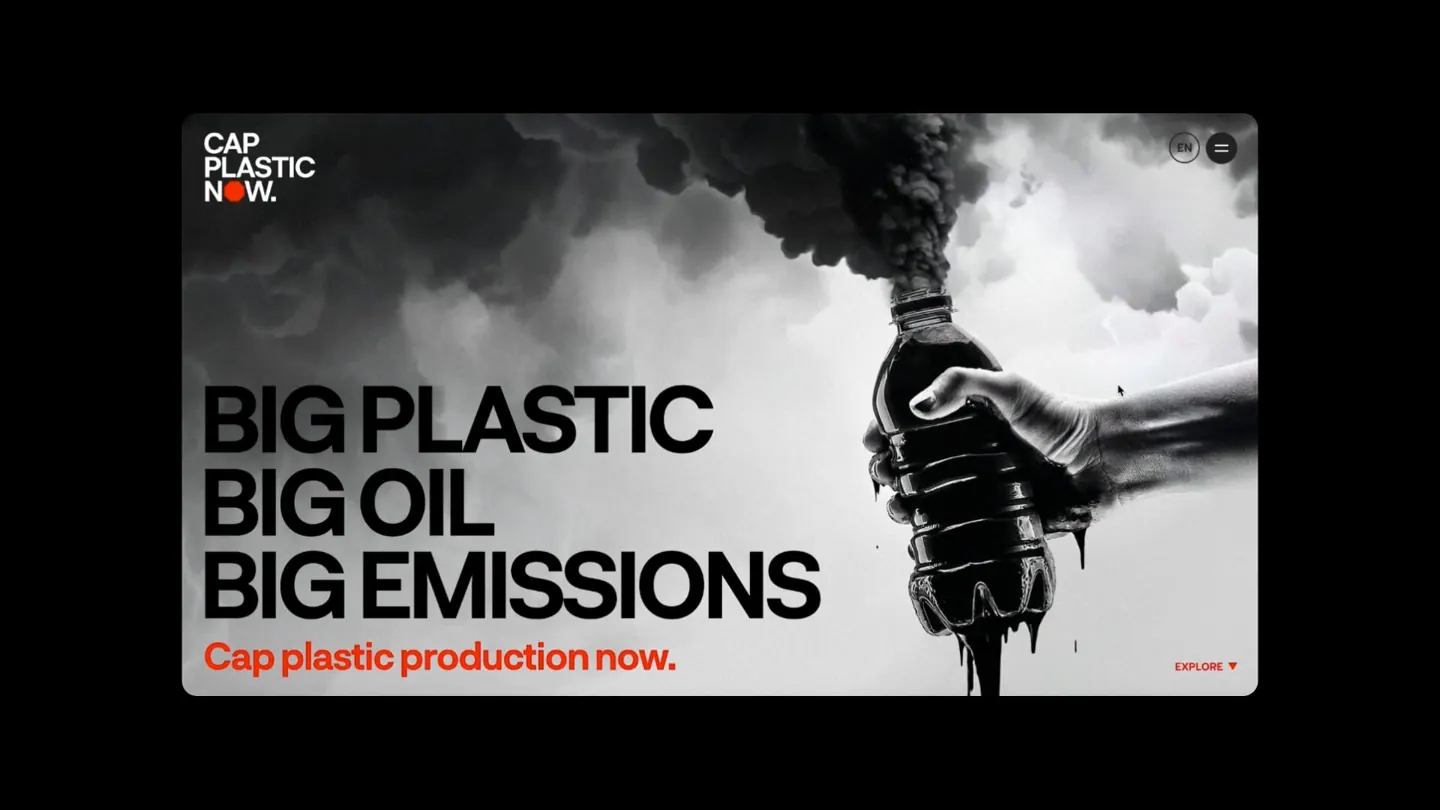
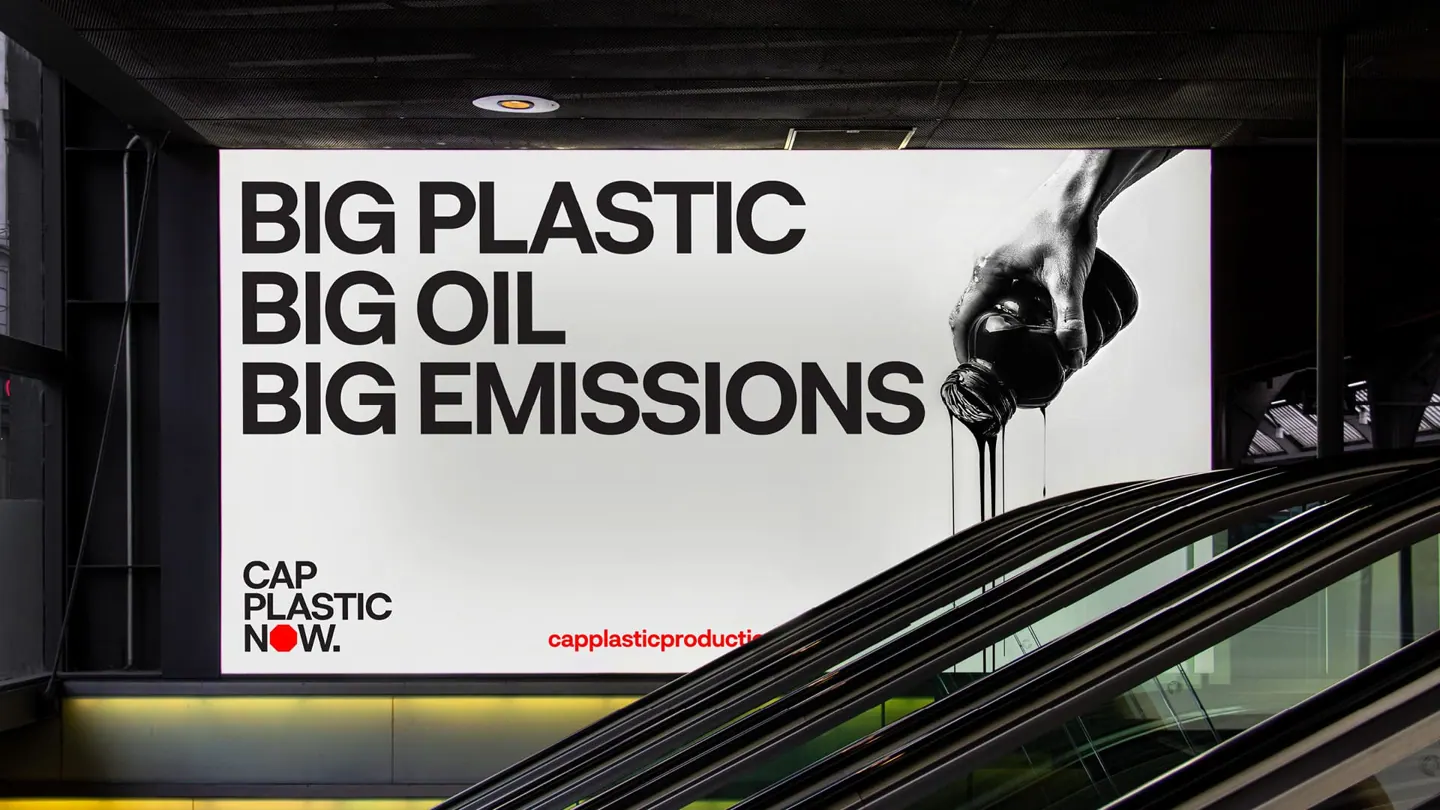
Big Plastic. Big Oil. Big Emissions.
What we did
- Strategy
- Messaging
- Brand Identity
- Website
- Campaign
- Digital
project overview
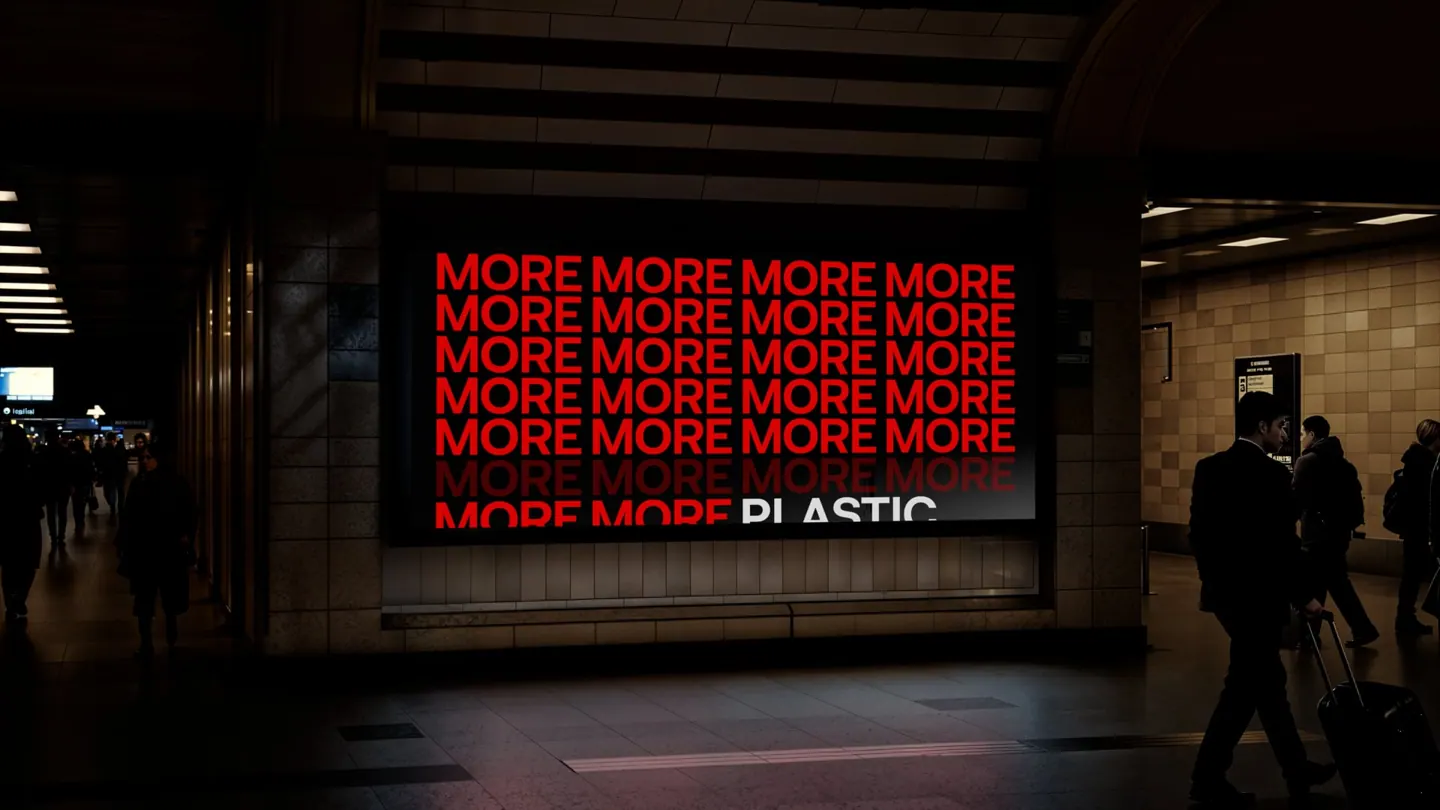
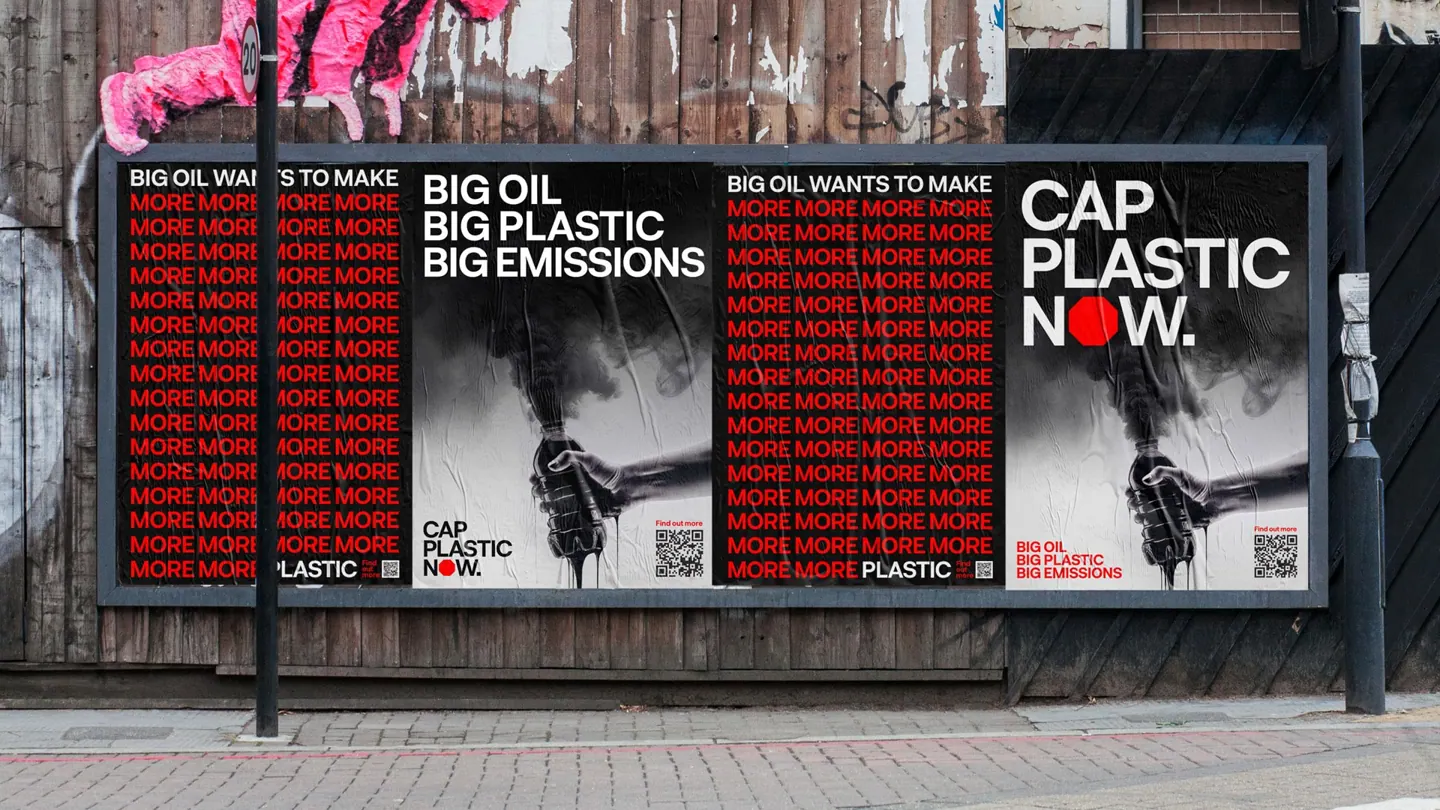
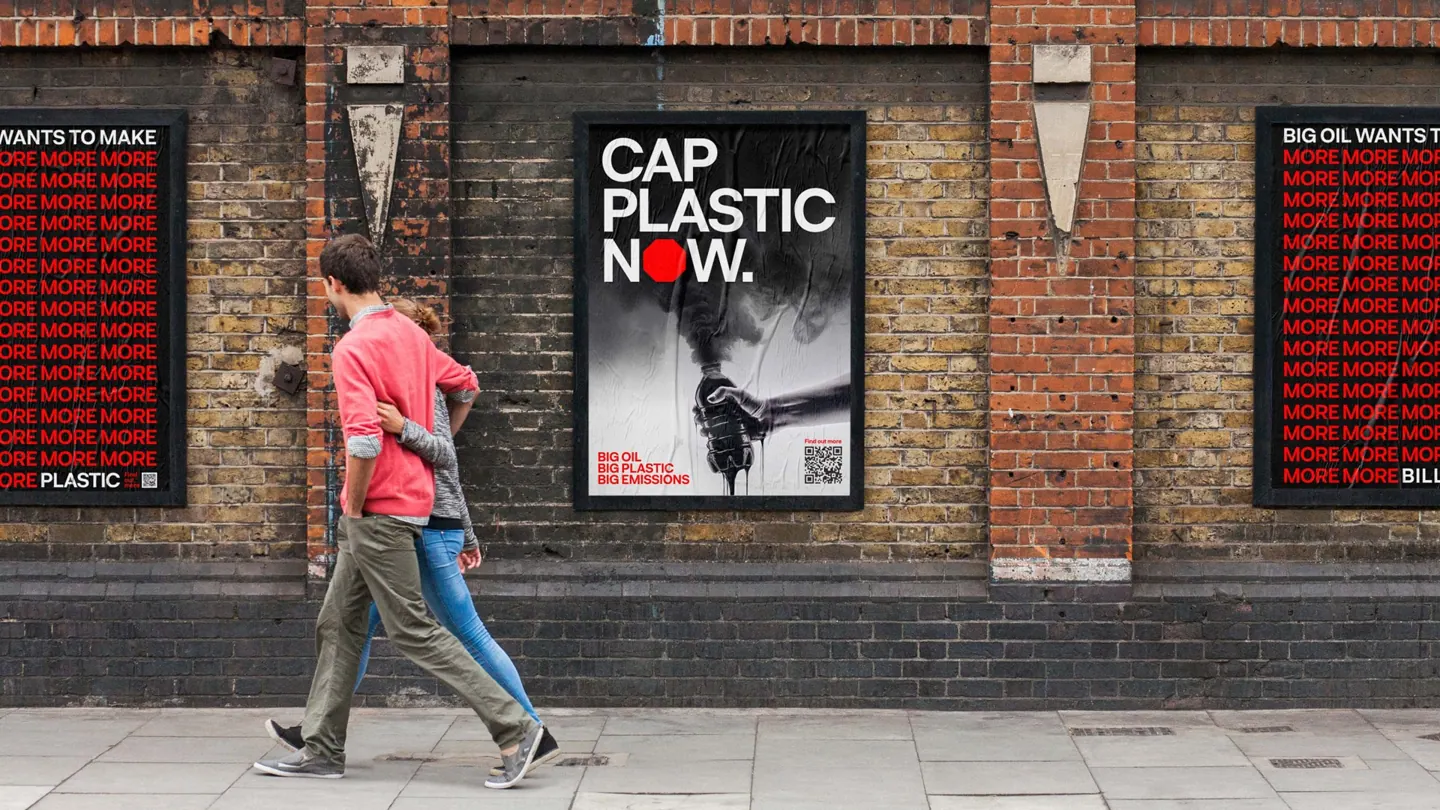
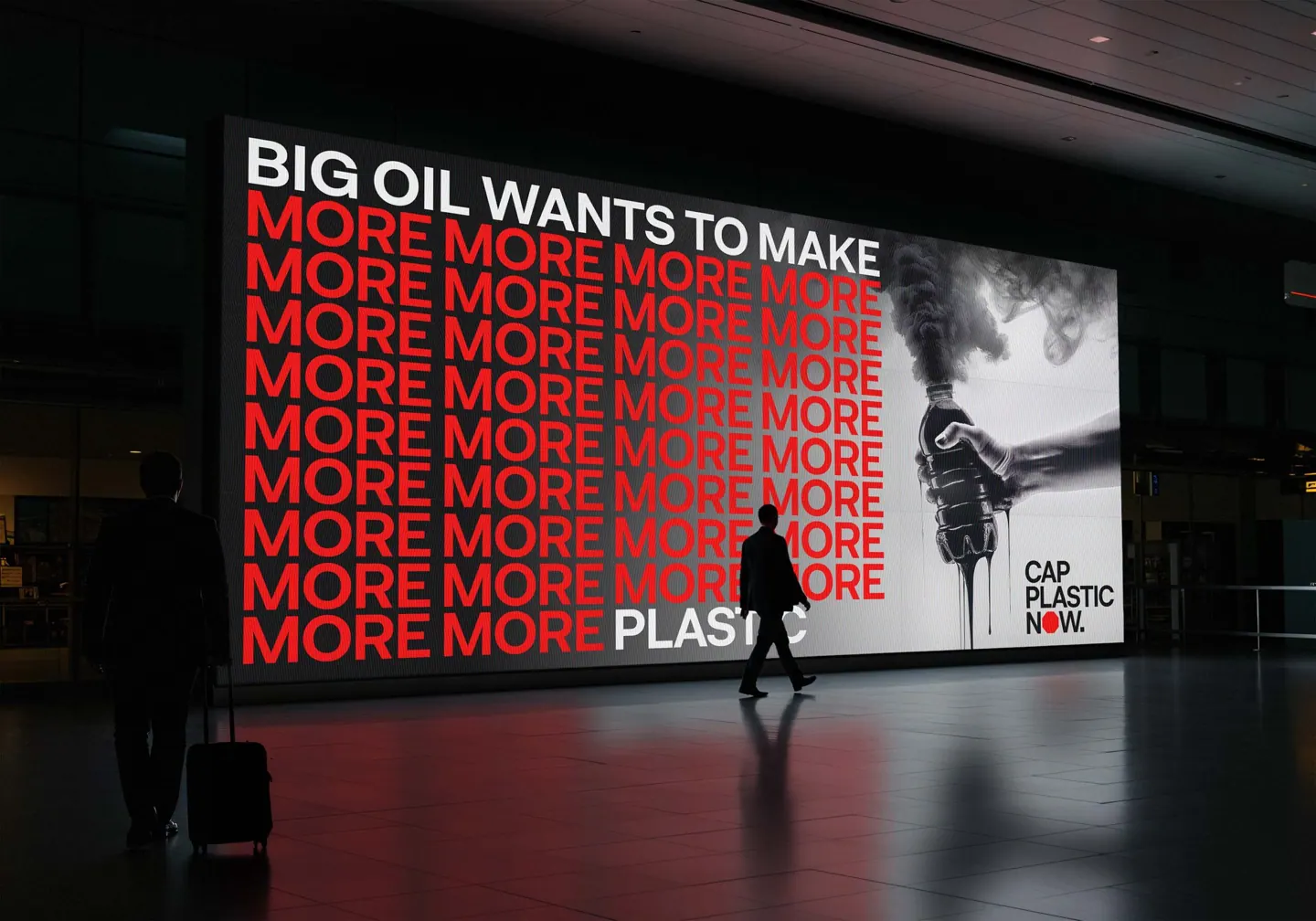
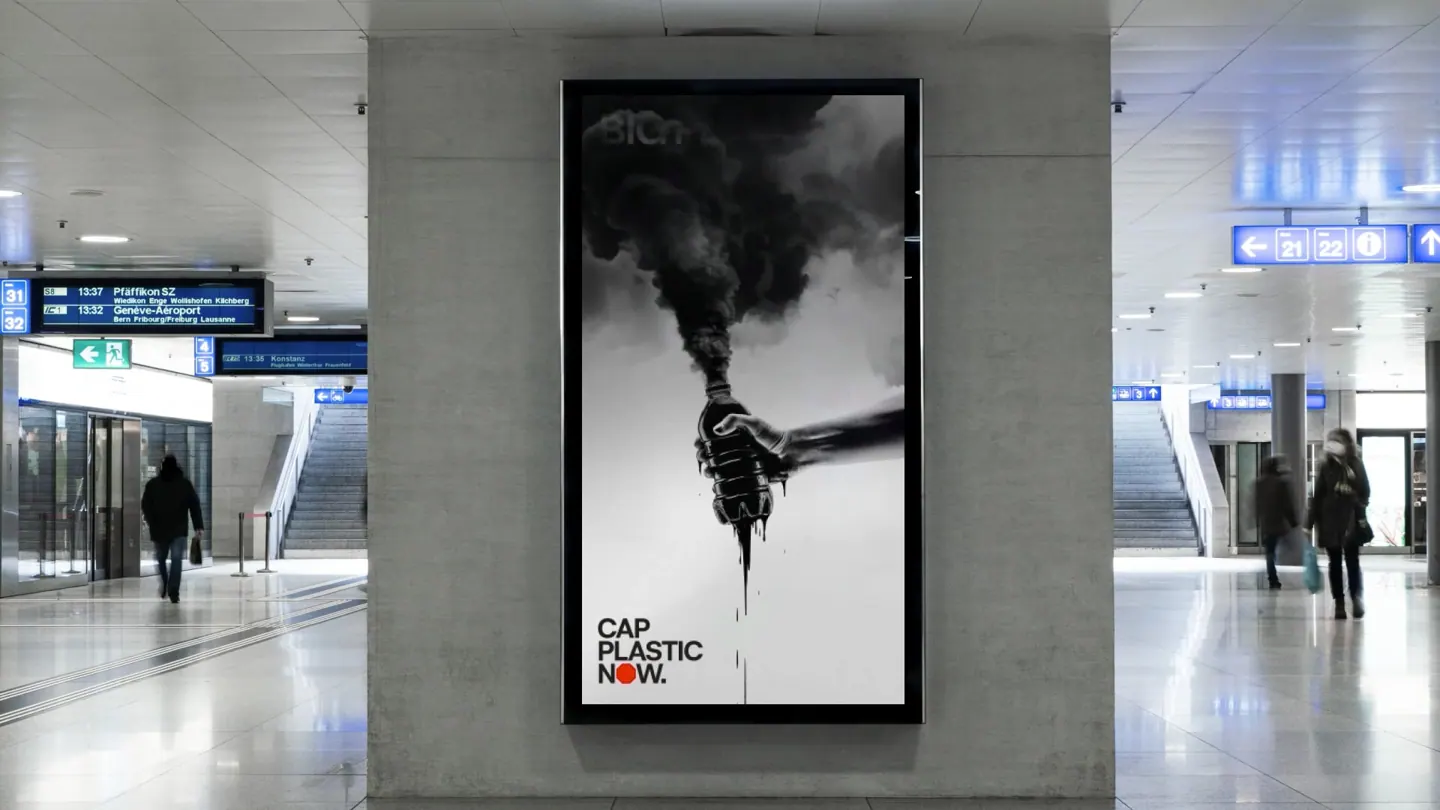
To coincide with landmark Global Plastics Treaty negotiations taking place at INC-5, Jory&Co launched a shocking campaign exposing the influence of the fossil fuel industry on negotiations and calling for a cap on plastic production.
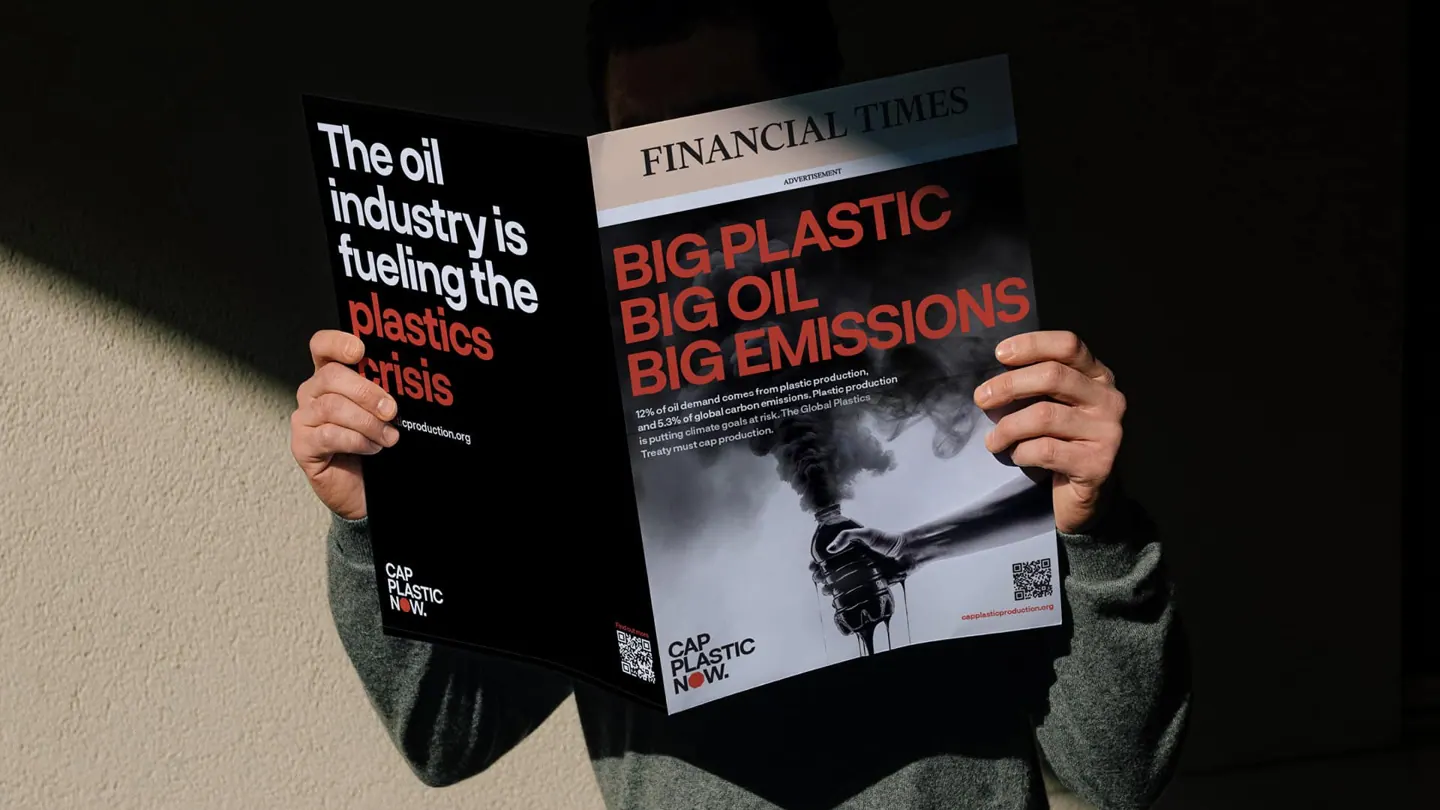
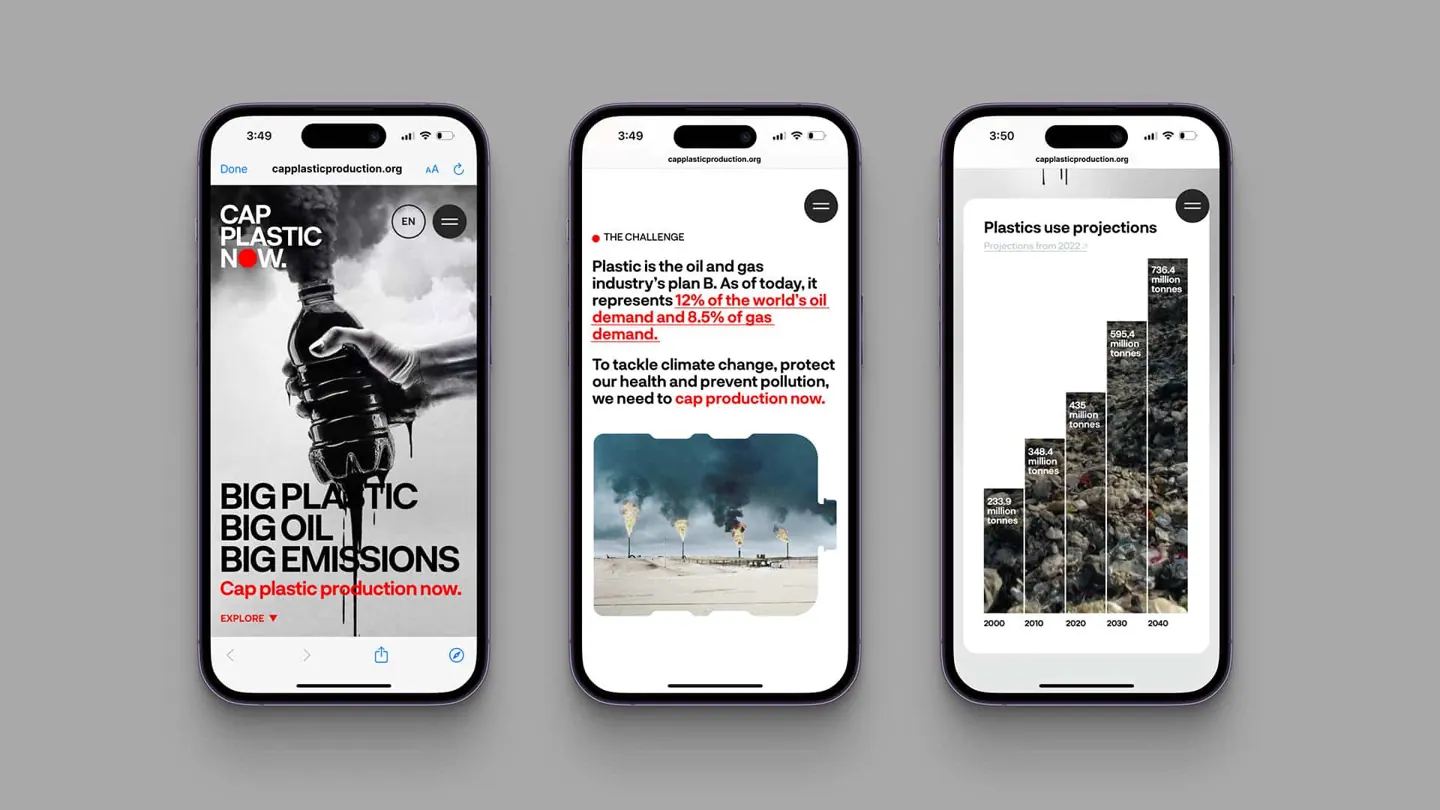
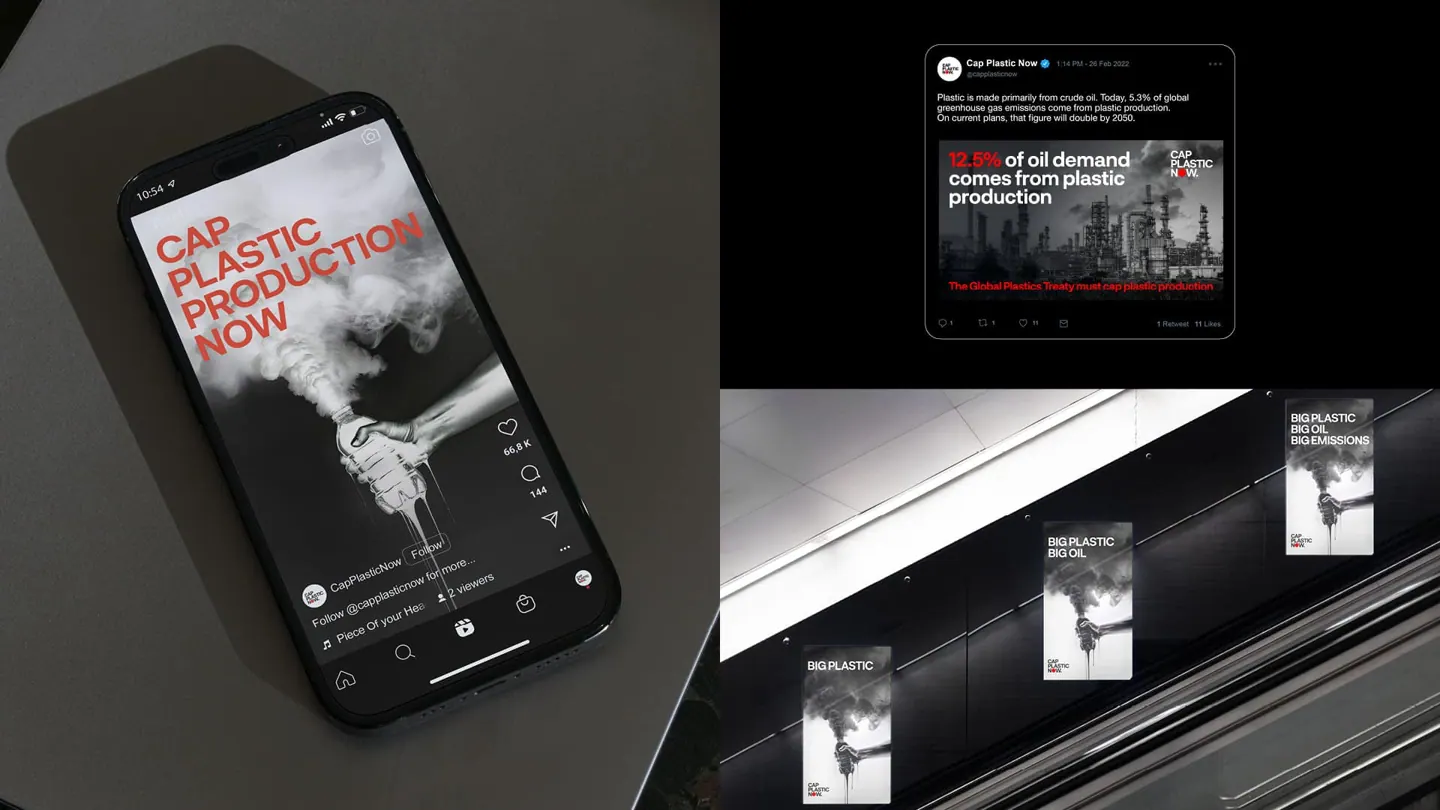
Plastic is the oil and gas industry’s Plan B. It currently represents 12% of the world’s oil demand and 8.5% of gas demand. Plastic production is responsible for 5.3% of global greenhouse gas emissions, a figure set to double by 2050 unless production is capped. Meanwhile, globally just 9% of plastic is recycled. To tackle climate change, protect our health and prevent pollution, we need to cap production now.
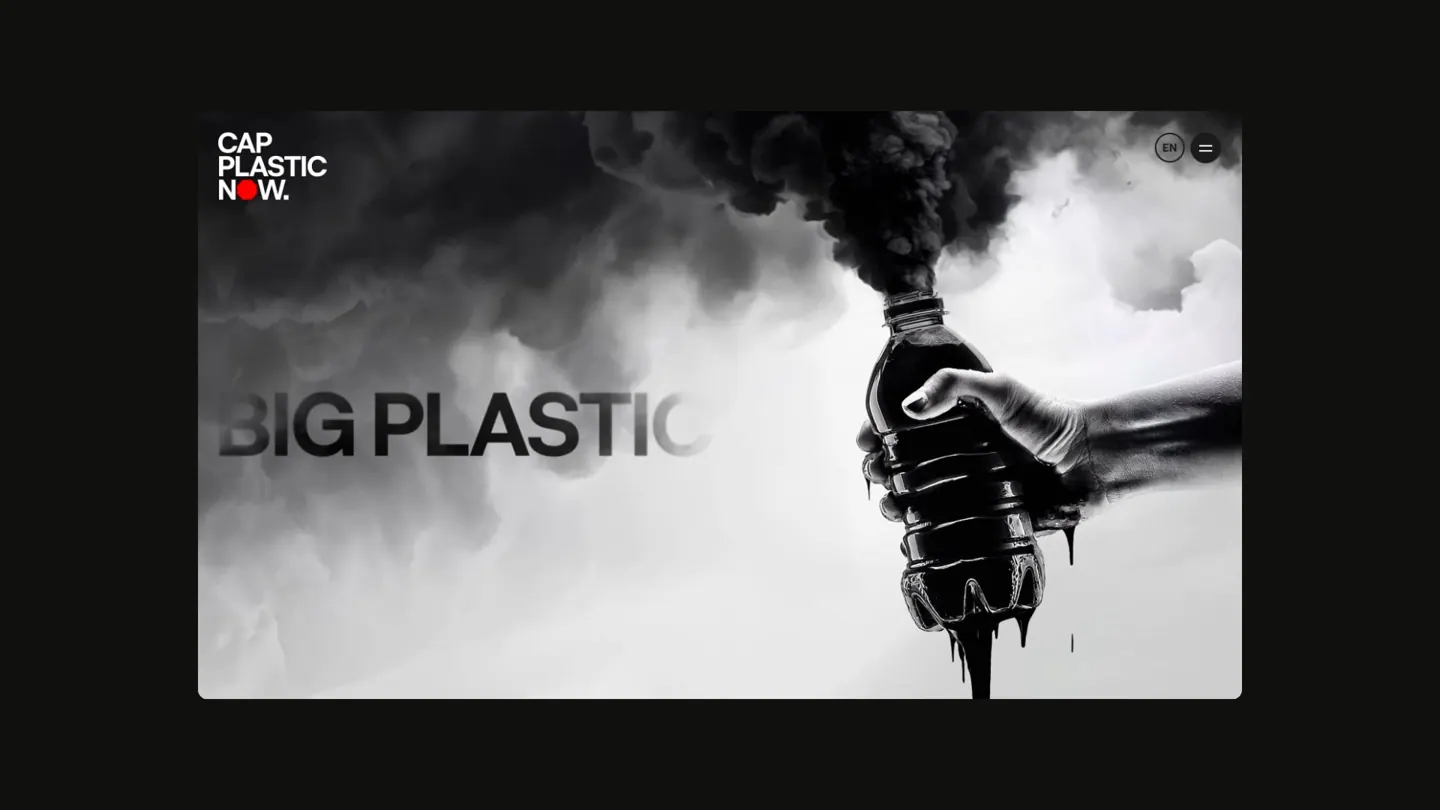
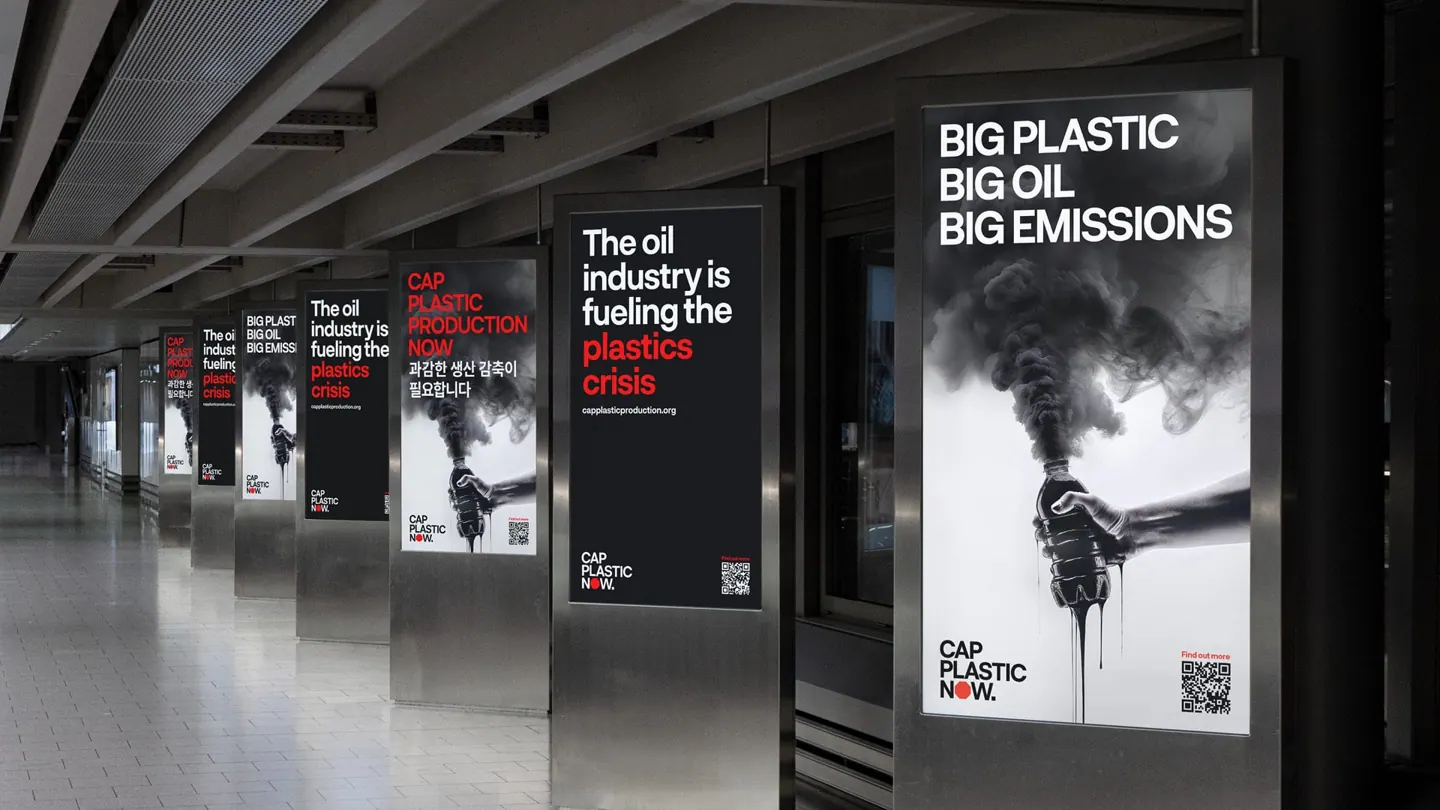
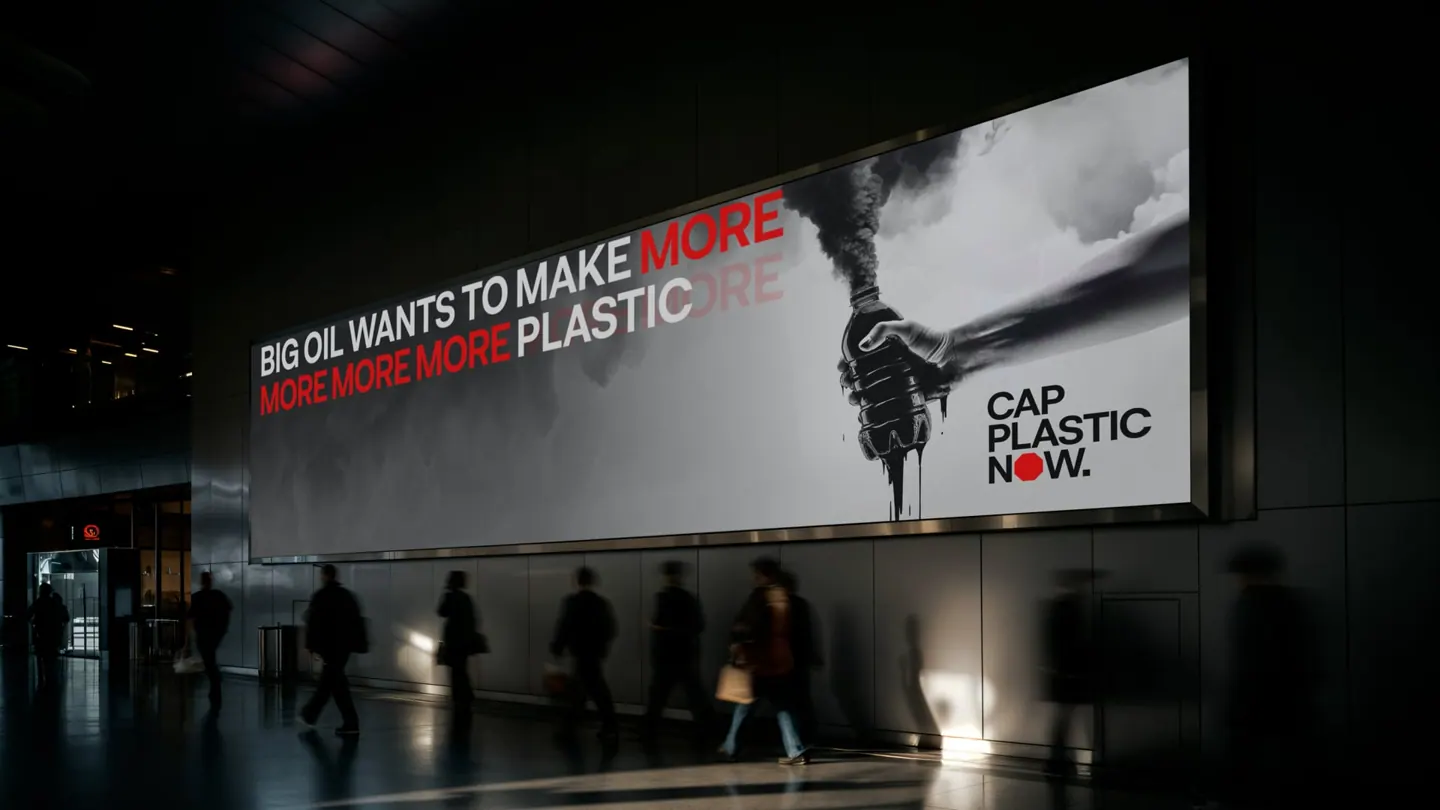
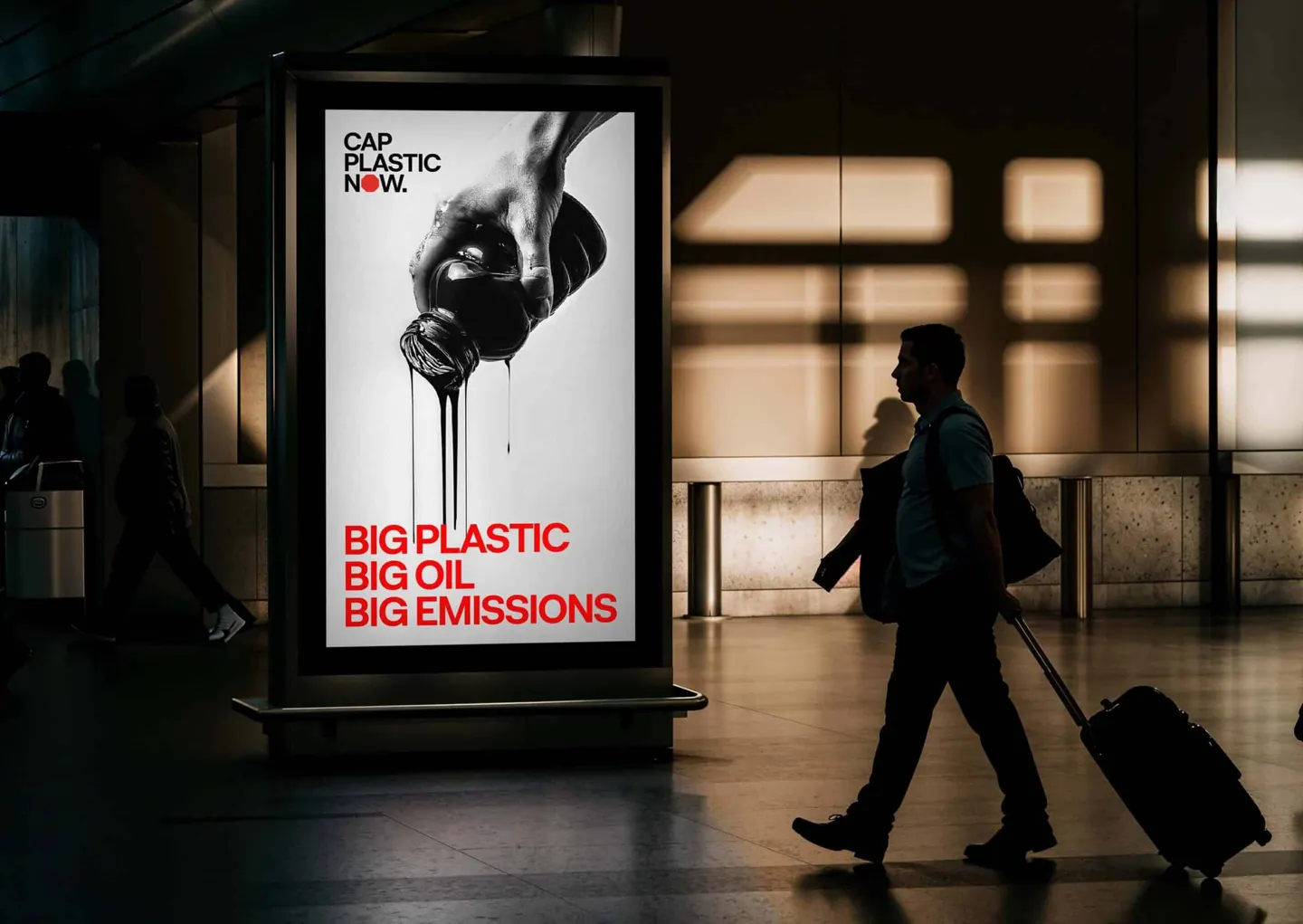
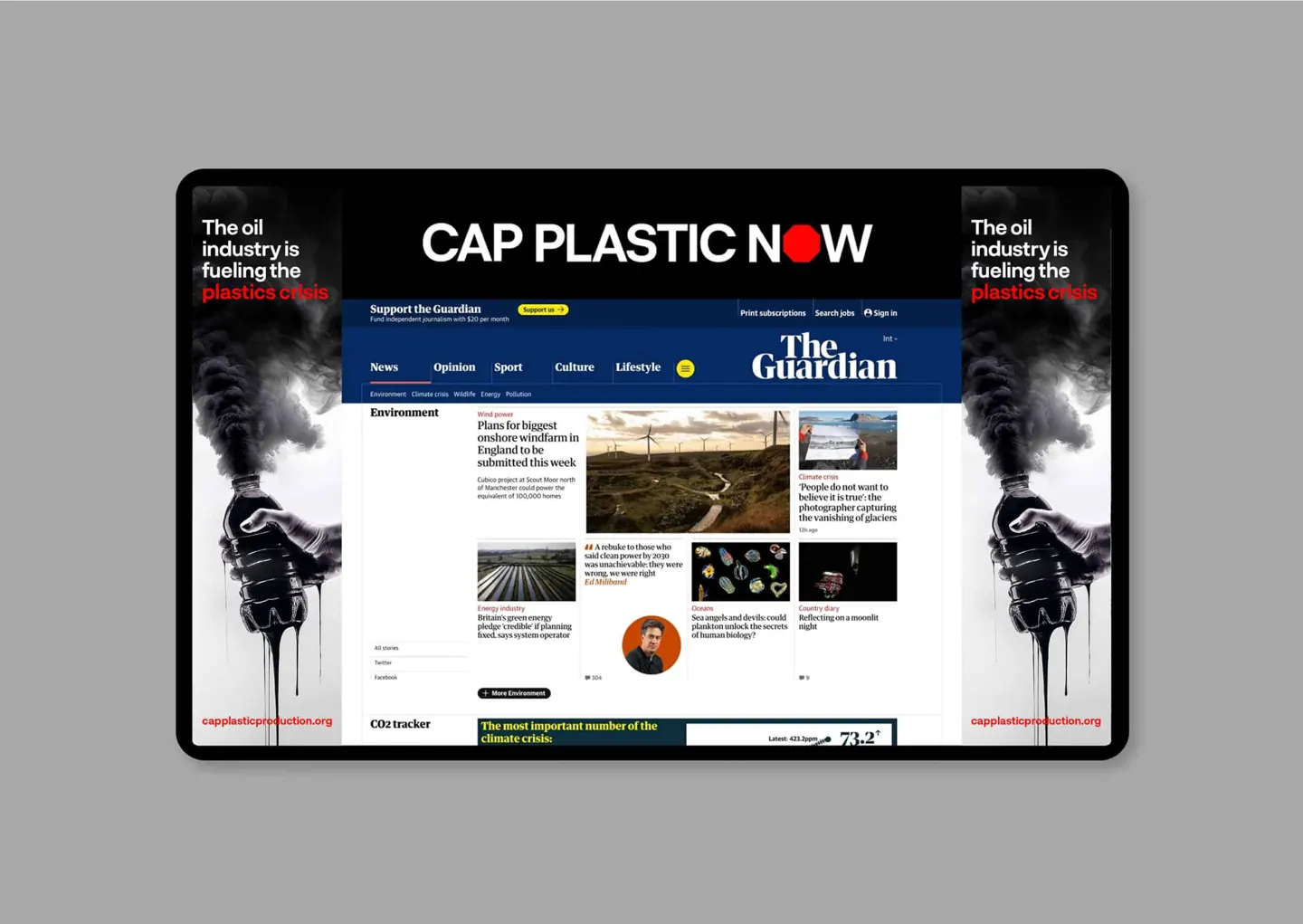
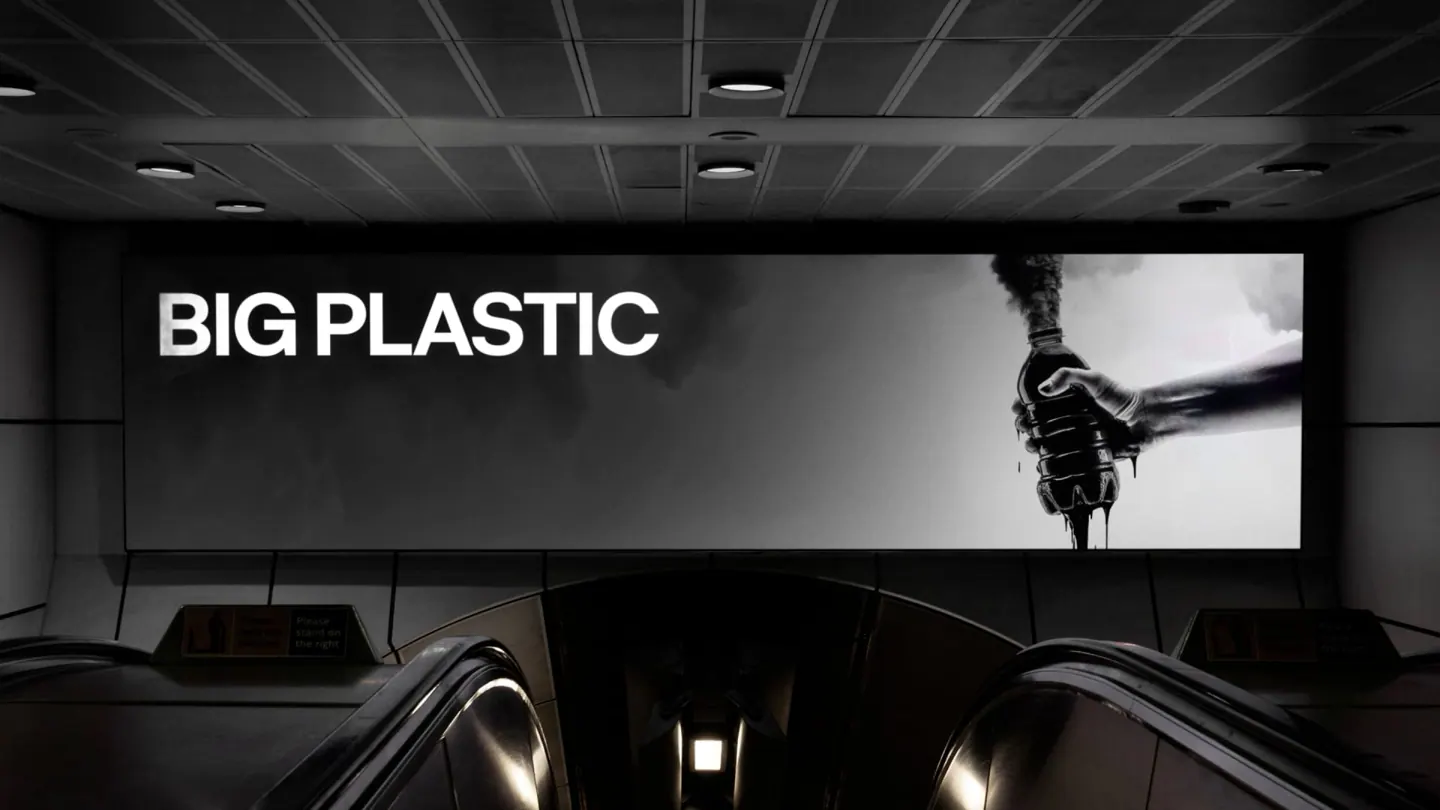
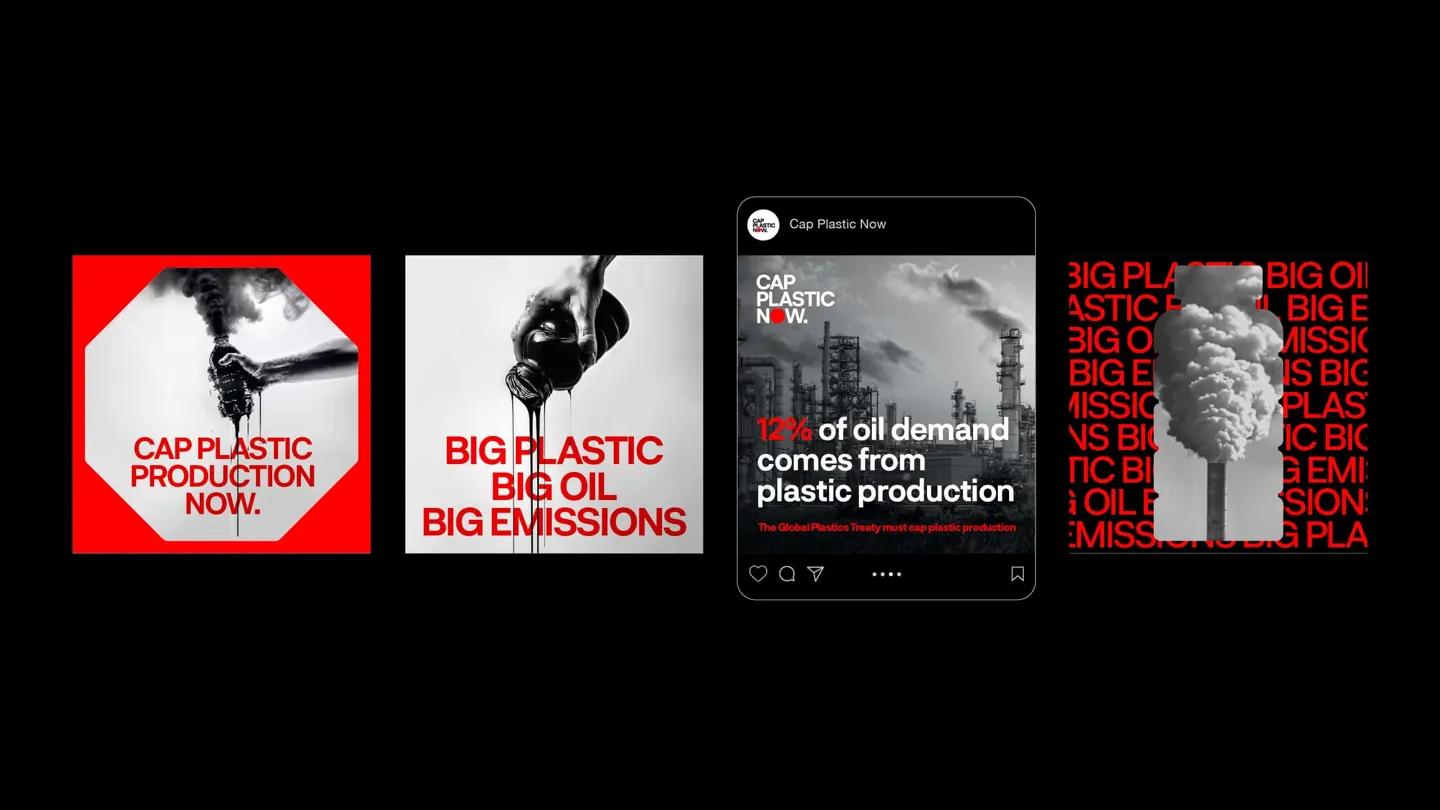
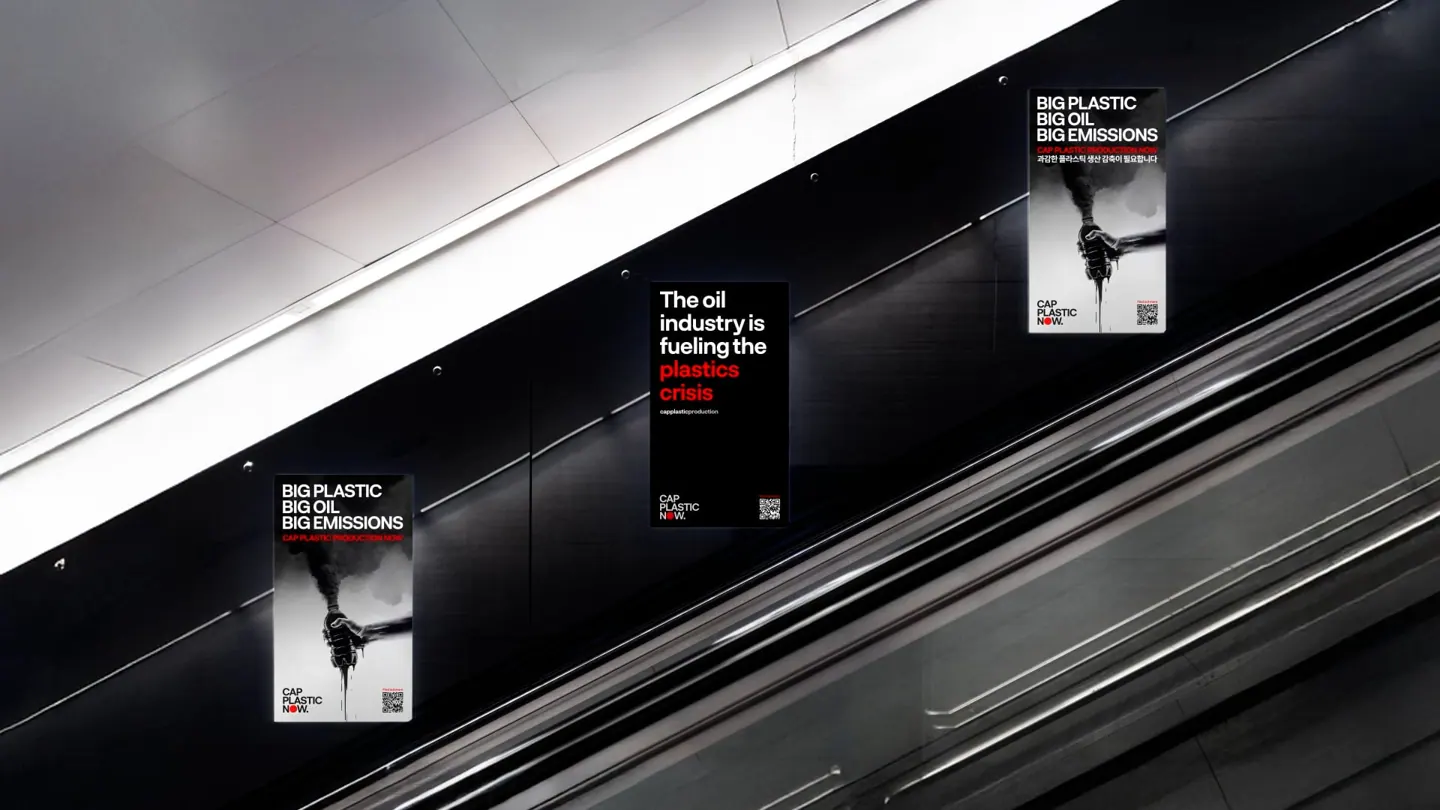
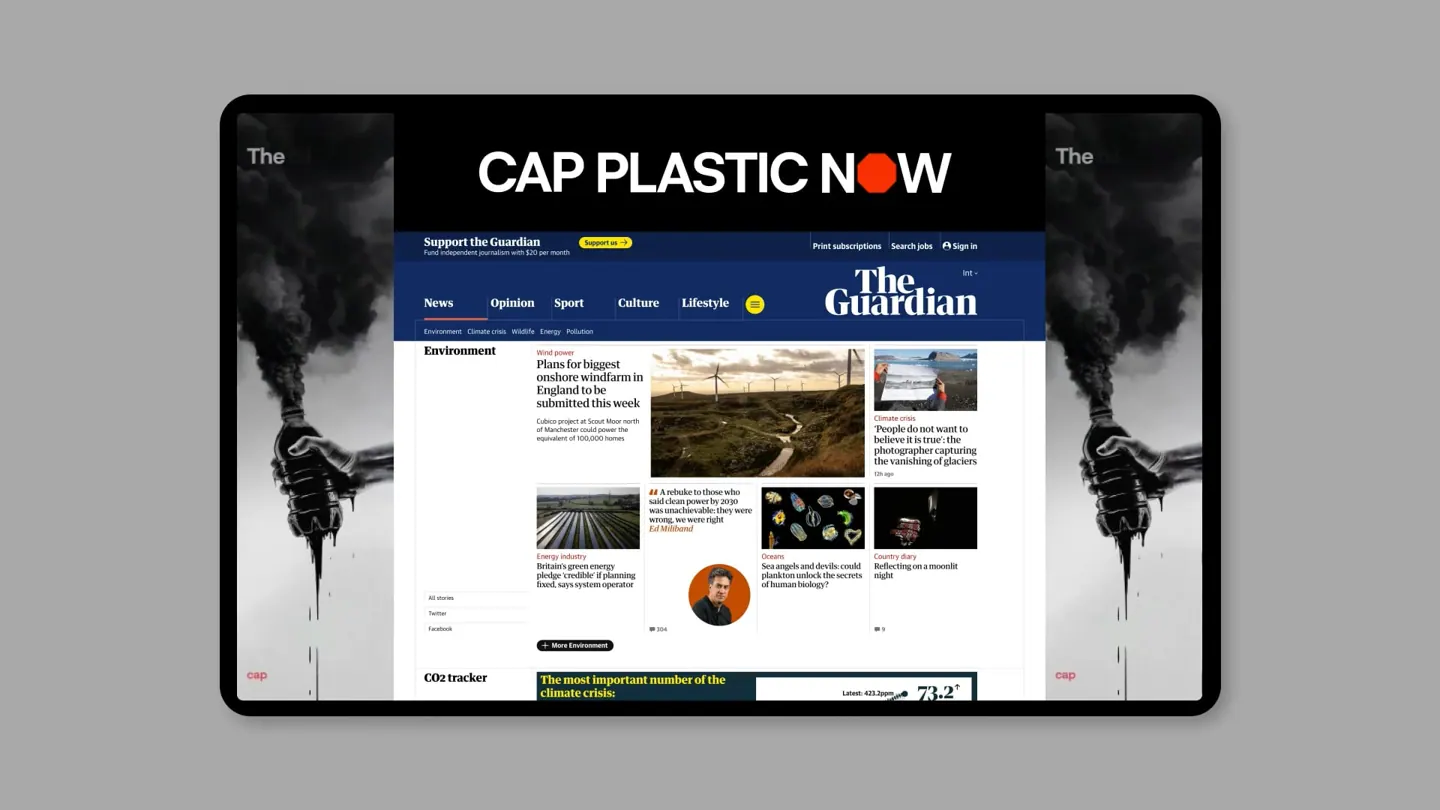
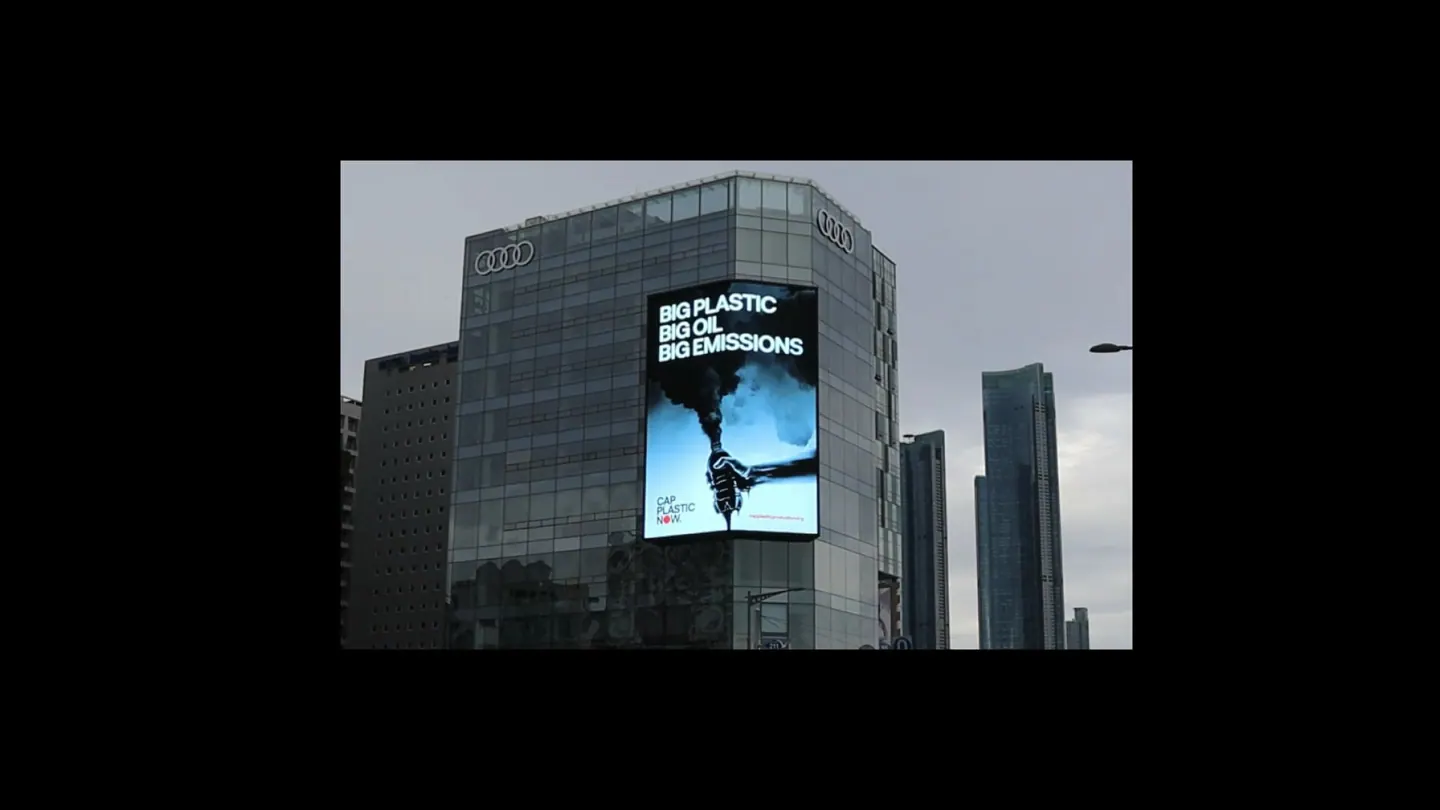
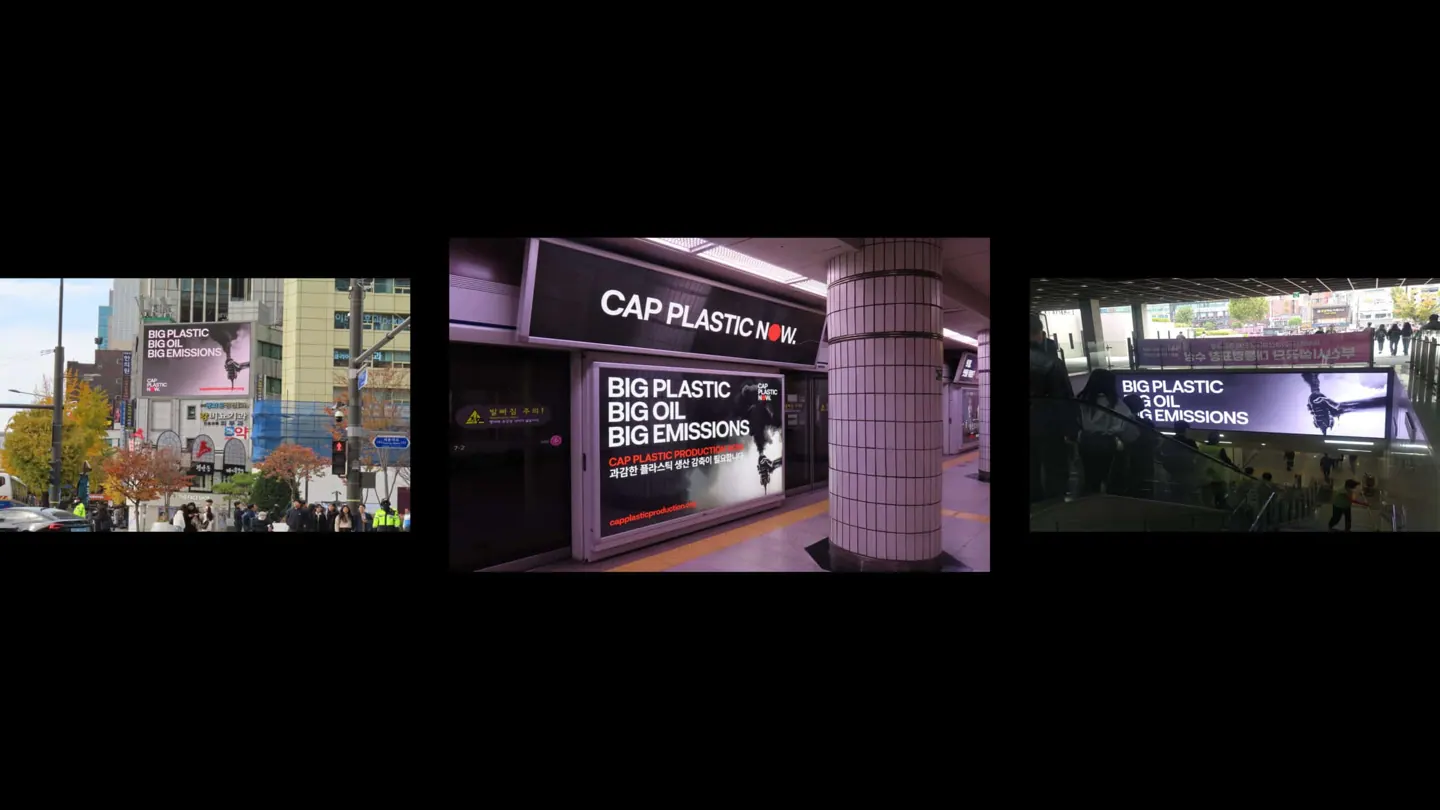
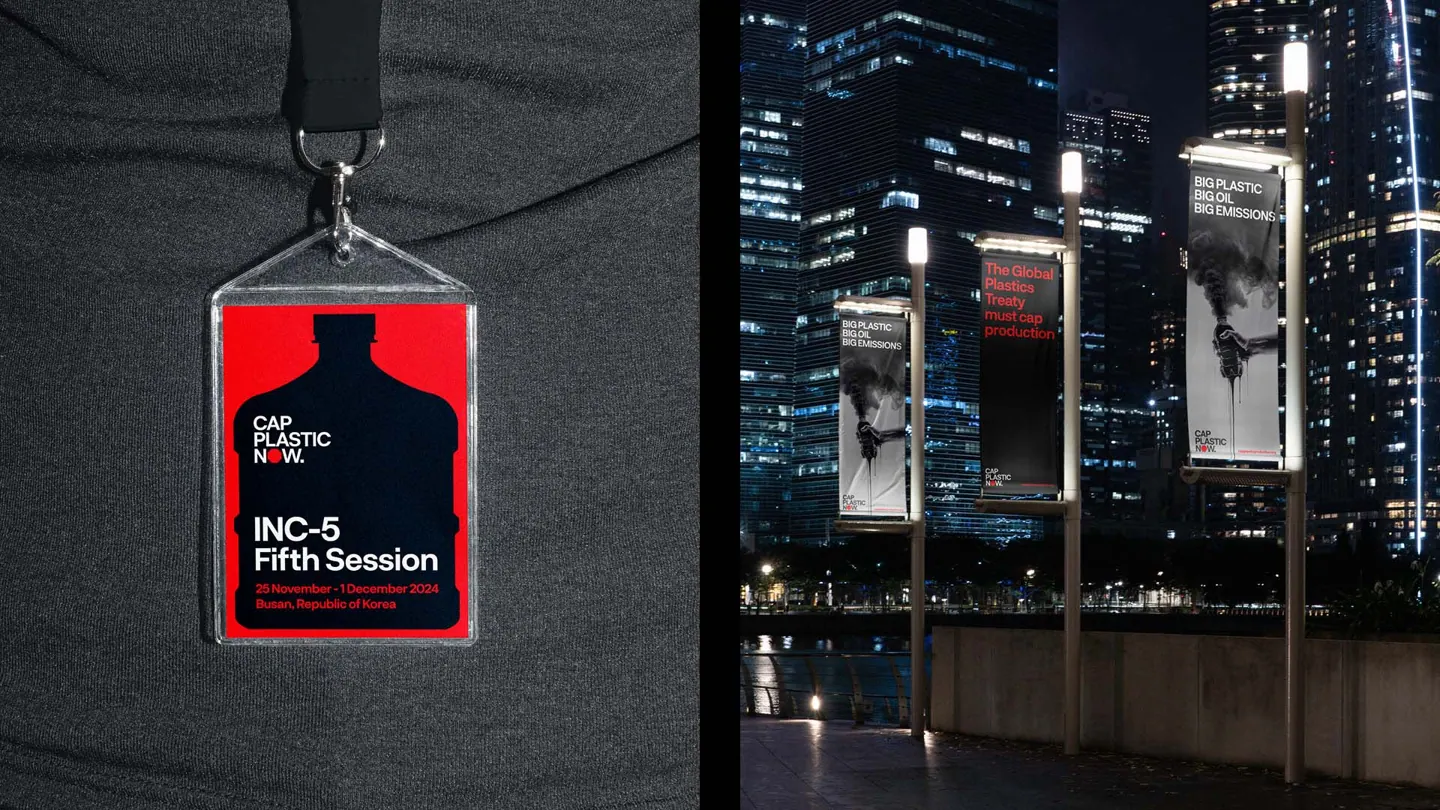
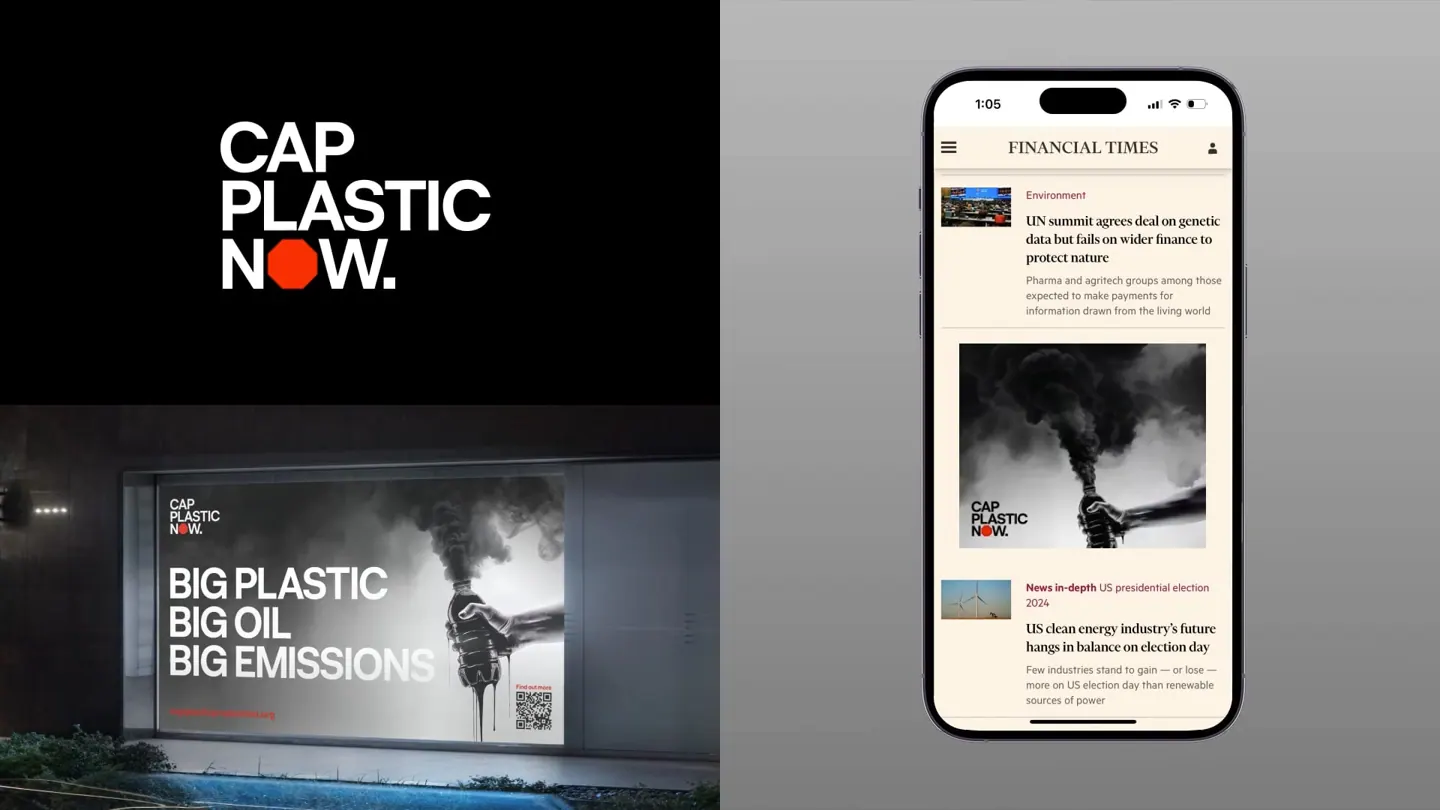
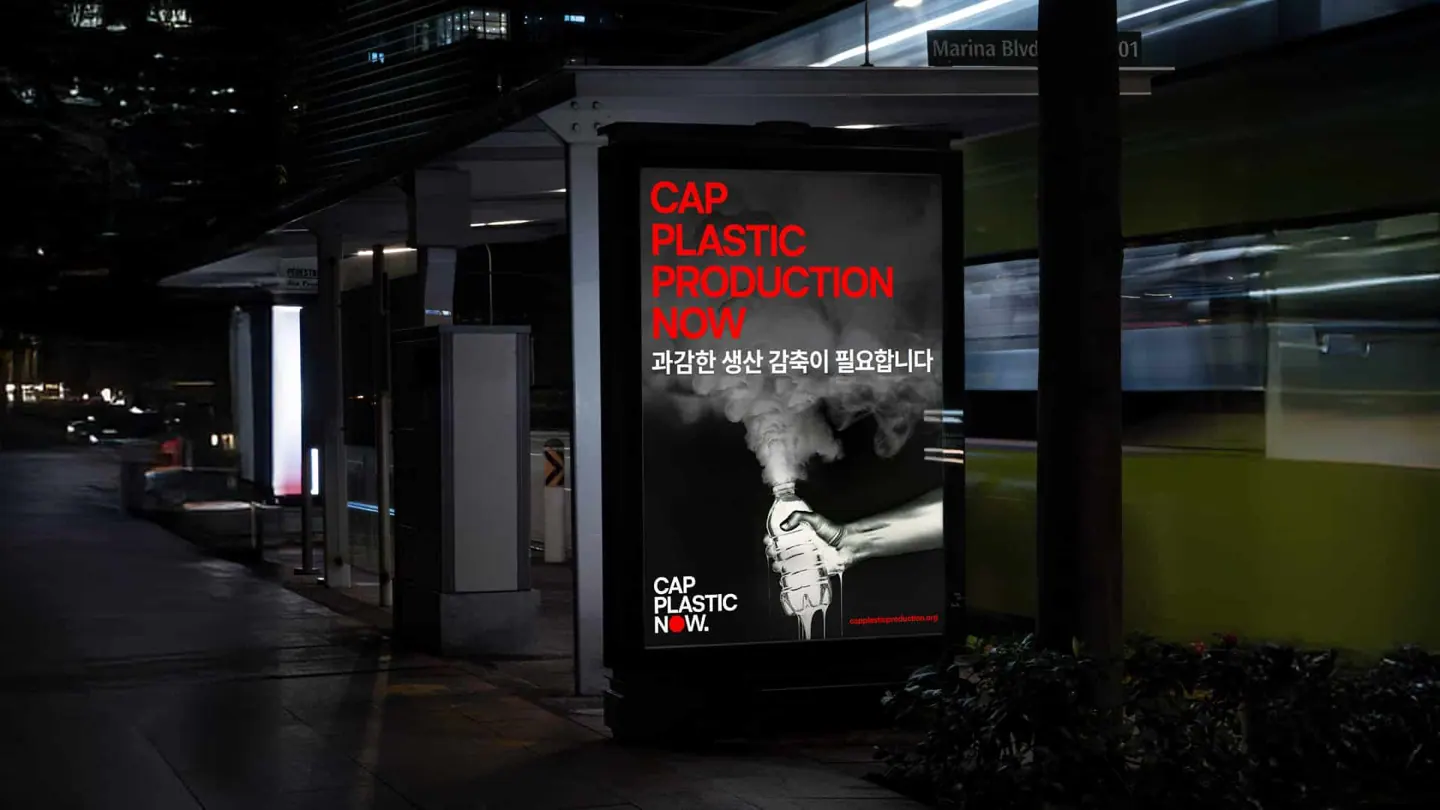
The campaign ran across OOH and DOOH in locations across Busan and Seoul, South Korea, as well as in print, on newspaper wrappers, and across social and digital channels. Advertising drove to a rich and dynamic website that gives politicians, journalists, negotiators, activists and the general public the facts they need to understand, communicate and take action on the link between plastics, oil and emissions.
In their words
“Many people do not realise that plastic is made from crude oil, and that big oil, big plastic and the climate crisis are inextricably linked. This campaign sought to make plastics part of the conversation for everyone who cares about the climate crisis. The Global Plastics Treaty is a landmark opportunity for the international community to come together and take meaningful action on plastics. It’s essentially the Paris Agreement for plastics, and INC-5 in Busan is key to creating an effective treaty.”
In their words
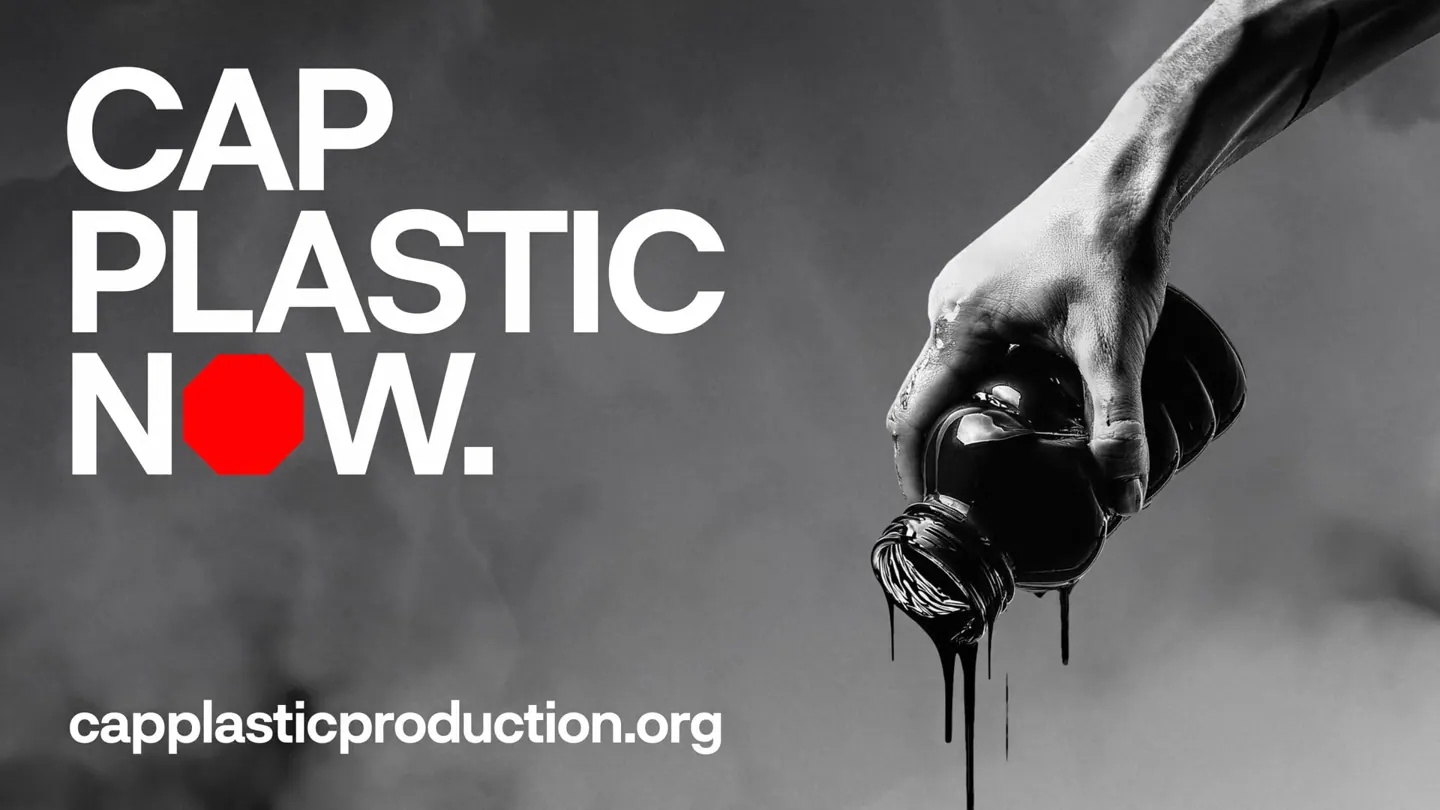
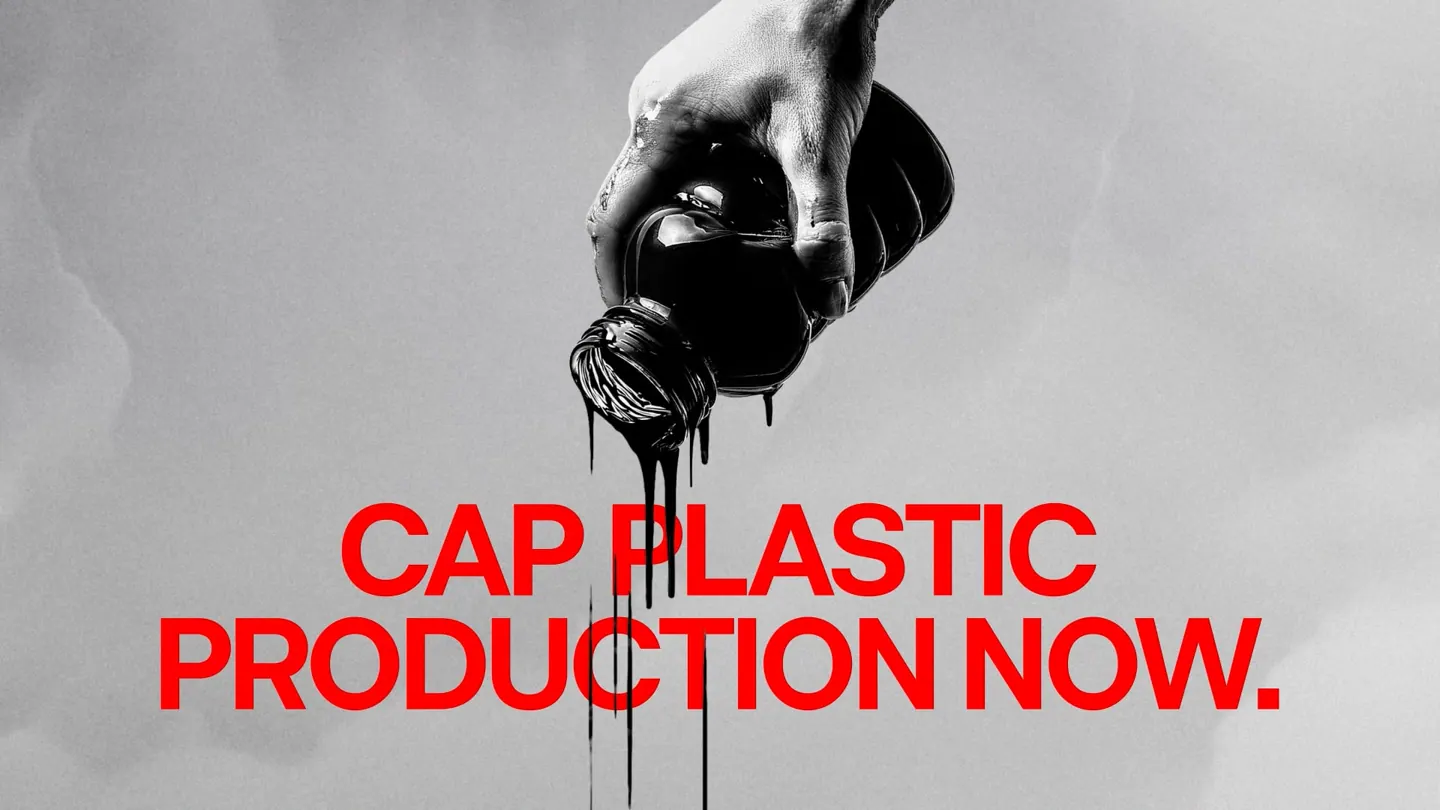
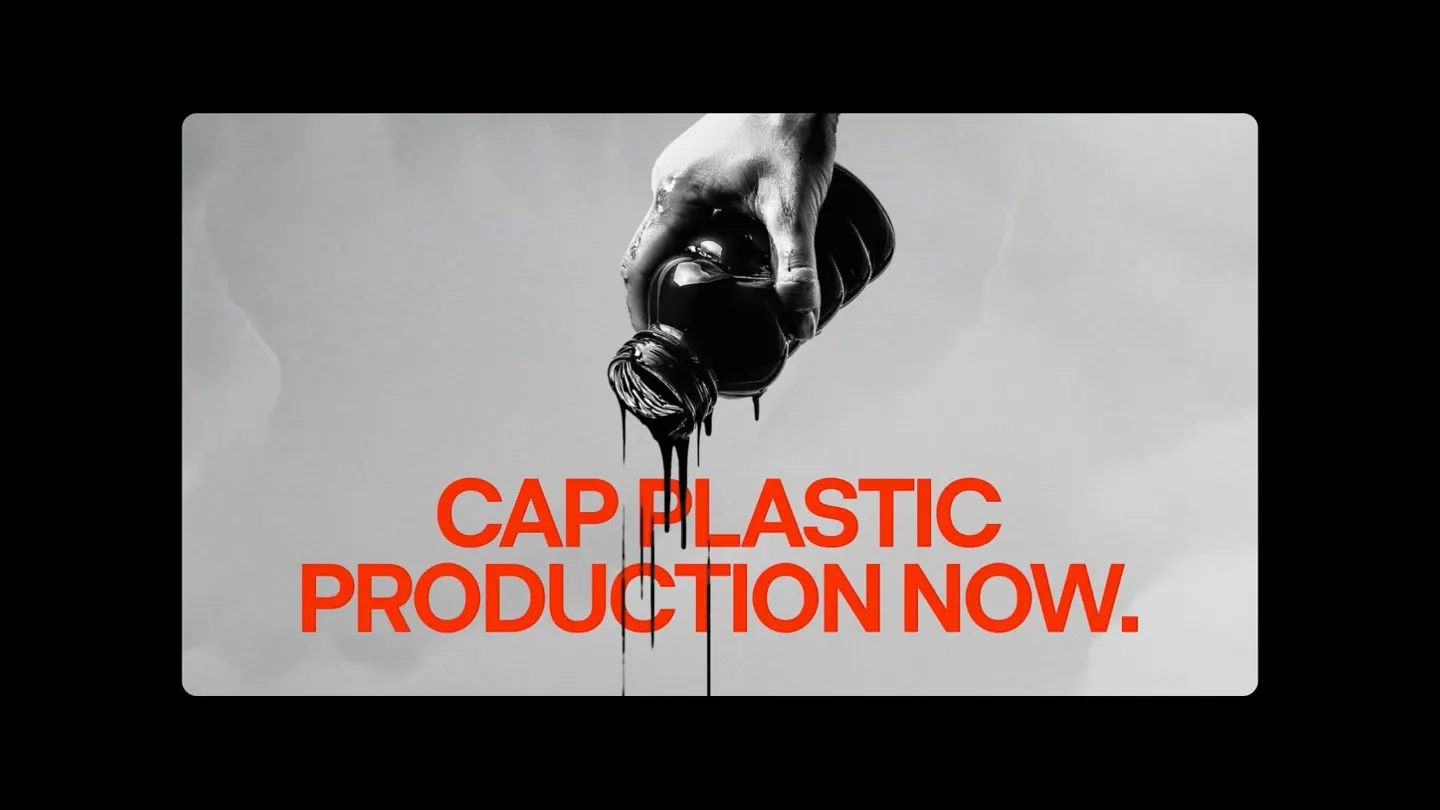
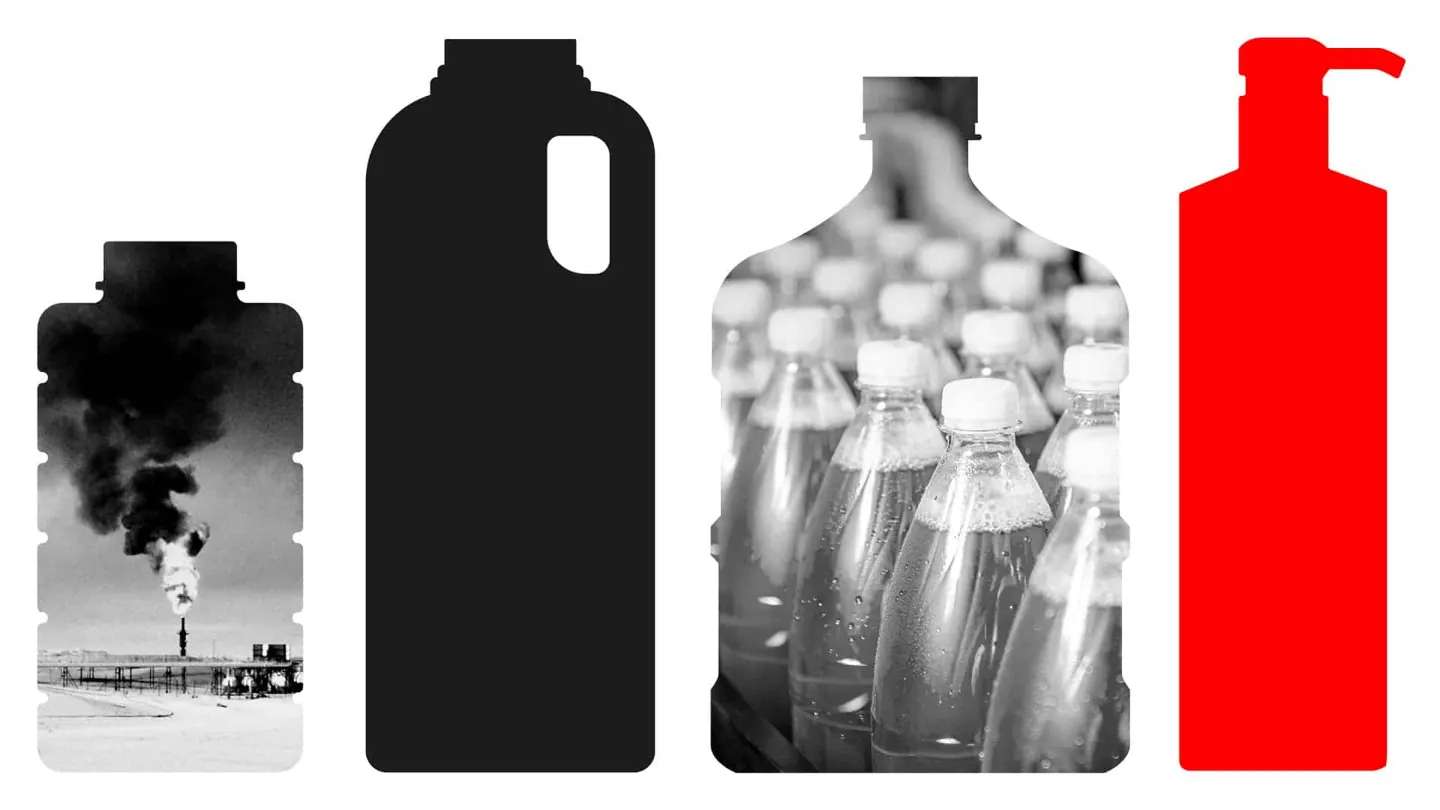
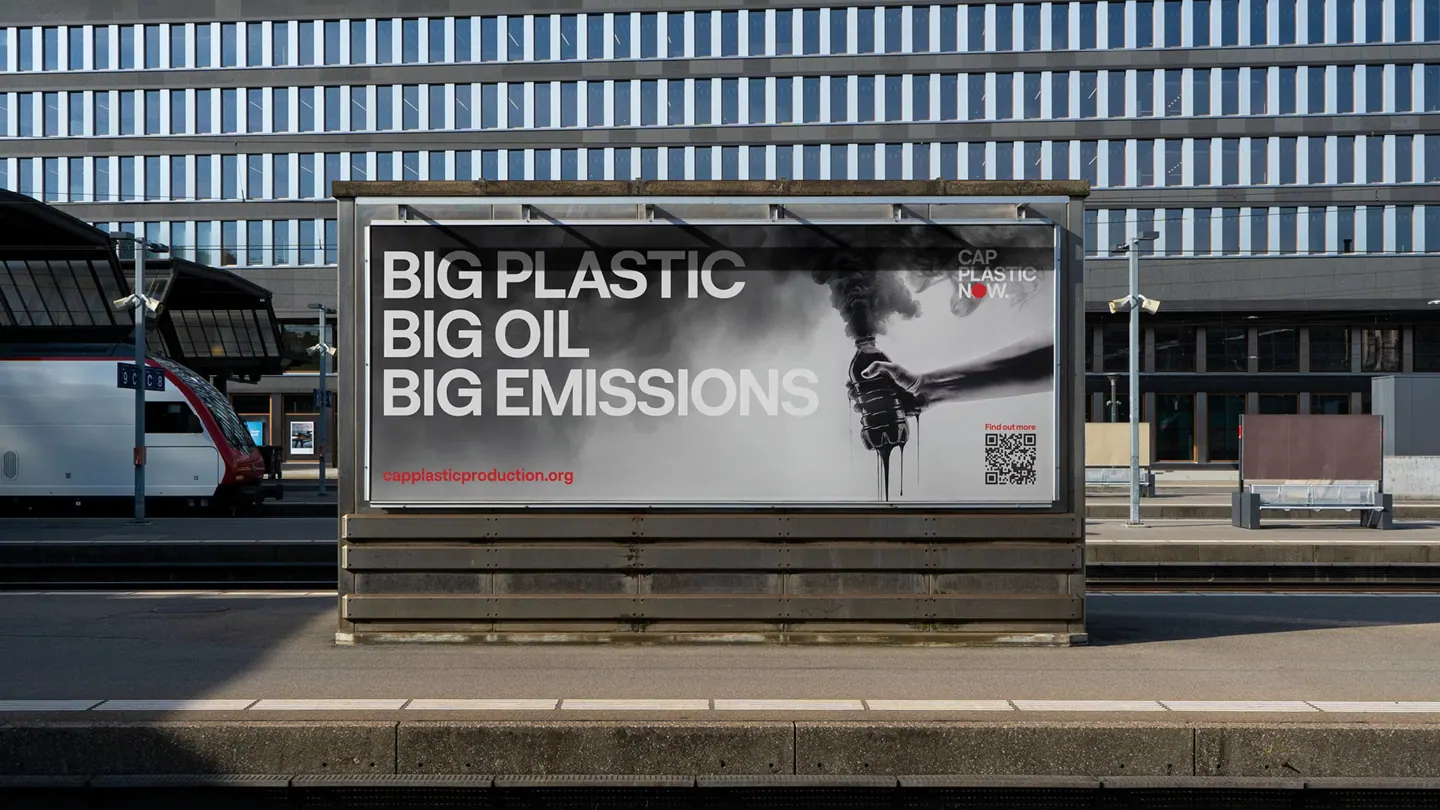
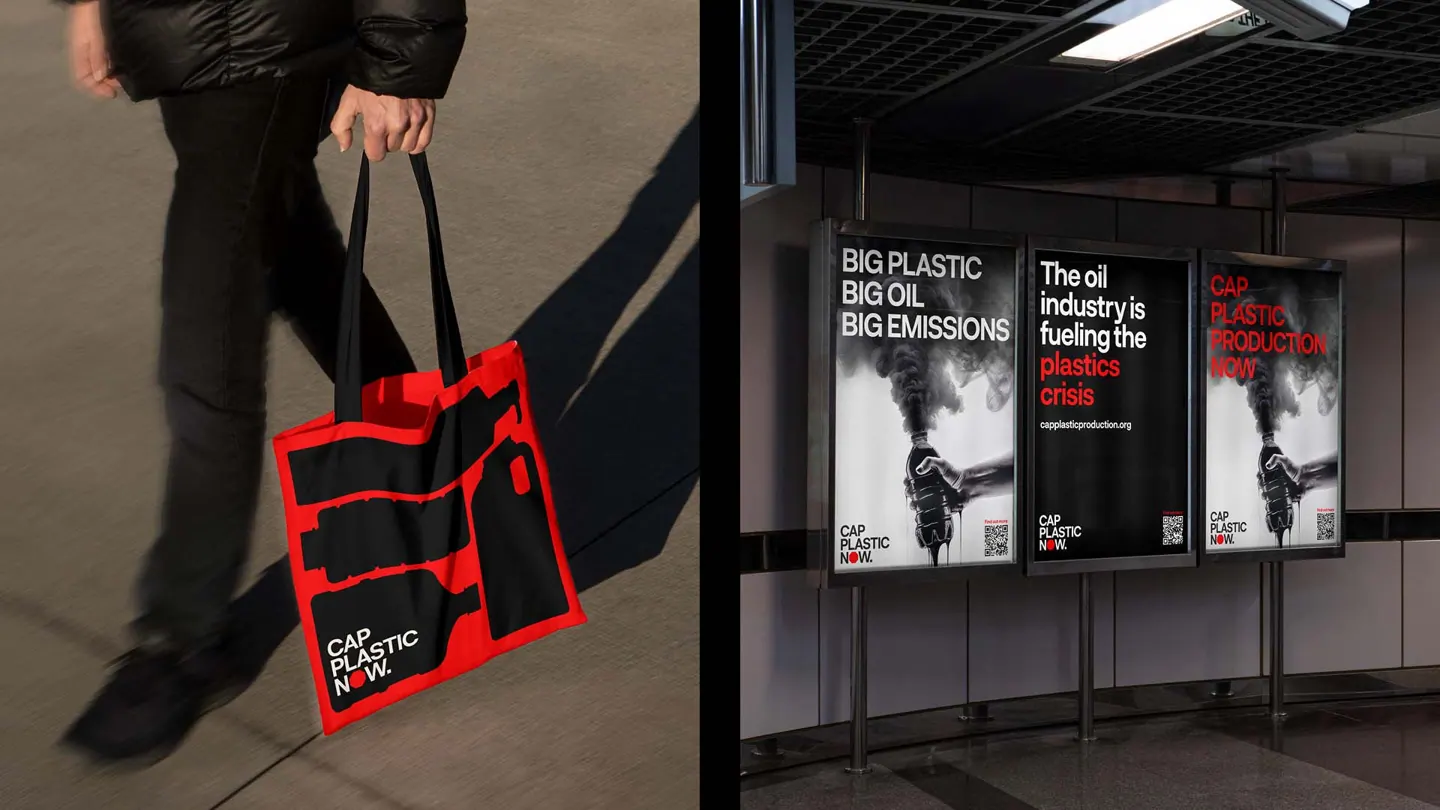
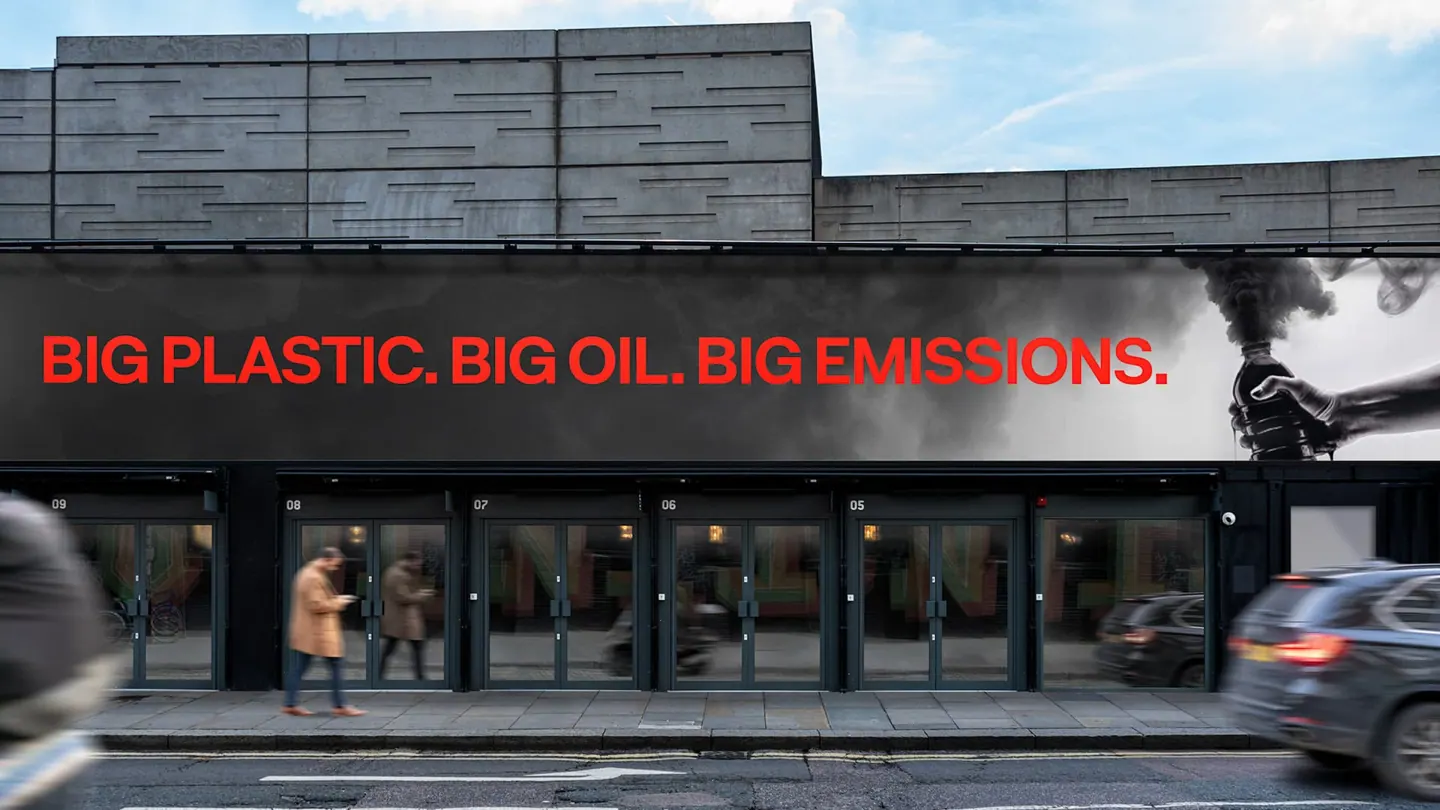
“For this hard-hitting campaign, we let the visual of the oily, smoking plastic bottle do the talking. This was backed up with boldly-stated, startling and sticky headlines such as ‘Big oil. Big Plastic. Big Emissions’, ‘The oil industry is fueling the plastics crisis’ and ‘Plastic is Big Oil’s plan B’. The tone of voice was purposefully stripped back and unemotional, to inspire trust, build credibility and let our audience make up their own minds.”
In their words
“Politicians and negotiators at INC-5 know the link between plastics, oil and emissions. But when met with fossil fuel industry lobbyists keen to push the benefits of plastic, it’s all too easy for them to forget. By visually linking the ubiquitous plastic bottle with a gross dripping oil and disgusting billowing emissions we made this irrefutable fact impossible to forget and impossible to ignore.”
related projects
view all work